Mewing Megamind Unveiling Science and Community Evolution
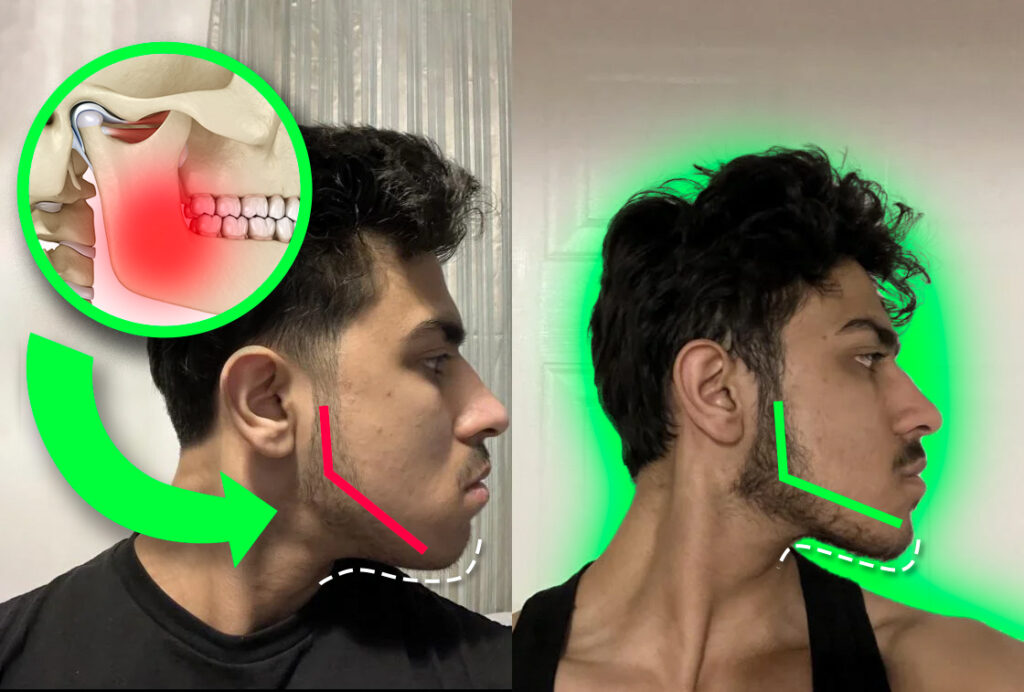
Table of Contents
- Origins and Foundations of Mewing Megamind
- Historical Roots of Tongue Posture Techniques
- Emergence of "Mewing Megamind" in Biohacking Communities
- Comparative Breakdown: Traditional Mewing vs. "Megamind" Variation
- Milestones in Mewing’s Evolution: A Timeline
- Scientific and Anatomical Foundations of Mewing Mechanics
- Cranial and Mandibular Anatomy Relevant to Tongue Posture
- Biomechanical Principles of Tongue Placement and Its Systemic Effects
- Comparison of Peer-Reviewed Studies on Tongue Posture vs. Anecdotal Mewing Claims
- Role of the Hyoid Bone in Mewing and Its Impact on Throat Space
- Practical Techniques and Protocols for "Mewing Megamind"
- Step-by-Step Tongue Placement and Breathing Protocols
- Variations of Mewing Techniques and Their Purported Benefits
- Common Mistakes and Corrective Measures
- Expert Opinions on Feasibility and Risks
- Cultural and Community Impact of Mewing Megamind
- Role of Social Media in Shaping the Mewing Megamind Phenomenon
- Regional Differences in Mewing Adoption and Cultural Attitudes
- Key Online Forums and Influencers Driving the Mewing Megamind Discourse
- Critiques and Controversies Surrounding "Mewing Megamind"
- Lack of Scientific Validation and Methodological Gaps
- Overemphasis on Aesthetics and Misleading Cognitive Claims
- Comparative Table: Mainstream Medical vs. Alternative Viewpoints on Mewing
- Ethical Concerns and Risks of Self-Diagnosis
- Reported Adverse Outcomes and Side Effects
The concept of Mewing Megamind represents a fusion of ancient tongue-posture traditions and modern biohacking experimentation, challenging conventional perceptions of facial optimization. Rooted in anecdotal claims and viral social media trends, this practice extends beyond traditional mewing by integrating cognitive and neurological hypotheses into its methodology. While skeptics question its empirical foundation, proponents argue that deliberate tongue positioning may reshape cranial anatomy, enhance airway efficiency, and even influence mental clarity. This exploration dissects the historical lineage, anatomical mechanics, and cultural impact of Mewing Megamind, balancing scientific scrutiny with community-driven innovation.
From its origins in traditional posture disciplines to its contemporary reinterpretation by fitness influencers and self-optimization enthusiasts, Mewing Megamind embodies a paradox: a technique simultaneously celebrated for its potential and criticized for its lack of rigorous validation. The practice’s rise coincides with broader trends in biohacking, where individuals pursue physiological enhancements through unorthodox yet systematic approaches. By examining its biomechanical principles, practical applications, and societal reception, this analysis provides a comprehensive framework to evaluate whether Mewing Megamind transcends novelty to offer tangible benefits—or remains a speculative experiment at the intersection of science and self-experimentation.
Origins and Foundations of Mewing Megamind
The practice of mewing, initially rooted in traditional tongue posture techniques, has evolved into a modern biohacking methodology aimed at optimizing facial structure, jaw alignment, and cognitive function. While early anecdotal references to tongue posture date back to ancient oral health and martial arts traditions, the contemporary iteration—particularly the "Mewing Megamind" variation—emerged from online fitness and biohacking communities in the late 2010s. This evolution reflects a convergence of orthodontic principles, myofunctional therapy, and speculative neuroscience claims, often amplified by social media influencers and self-experimentation culture.The term "Mewing Megamind" specifically gained traction as a niche extension of conventional mewing, emphasizing alleged neurological and cognitive enhancements alongside aesthetic improvements. Key figures in this movement, such as Dr. John Mew (the dentist whose name the practice borrows) and influencers like Andrew Huberman (neuroscientist) and Jordan Peterson (psychologist), indirectly contributed to its popularity by discussing related topics like posture, breathing, and cranial nerve stimulation. However, the "Megamind" label was primarily popularized by biohacking forums (e.g., Reddit’s r/mewing, Longecity) and YouTube creators who postulated links between tongue posture, brain oxygenation, and mental clarity.
Historical Roots of Tongue Posture Techniques
Traditional tongue posture practices predated modern mewing by centuries, originating in disciplines where oral musculature played a critical role. These include:The foundational shift occurred in the 1970s–1990s with orthotropic treatment, a non-surgical approach to correcting jaw misalignment by encouraging forward tongue posture. Dr. John Mew’s work in the 1980s–2000s formalized these concepts into a structured protocol, emphasizing tongue adhesion to the palate to reshape the maxilla and mandible over time.
Emergence of "Mewing Megamind" in Biohacking Communities
The "Megamind" moniker emerged as a memetic extension of mewing, blending neuroenhancement speculation with existing practices. Key milestones in its development include:-
2015–2017: Early Biohacking Forums
Online communities (e.g., Longecity, Reddit’s r/mewing) began discussing tongue posture’s potential to influence cranial nerve stimulation, lymphatic drainage, and brain-derived neurotrophic factor (BDNF) production. Users reported subjective improvements in focus and memory, though without empirical validation. -
2018–2019: Influencer Amplification
YouTube channels like Ben Greenfield’s (biohacking) and Rhonda Patrick’s (epigenetics) indirectly legitimized the concept by linking tongue posture to vagus nerve activation and autonomic nervous system regulation. The term "Megamind" was coined in these circles as a shorthand for "mewing for cognitive enhancement." -
2020–Present: Structured "Megamind" Protocols
Self-proclaimed "mewing coaches" (e.g., Chris Salguero, "The Mewing Method") introduced variations such as:- Extended tongue adhesion (e.g., 24/7 practice for "neural plasticity").
- Combined with breathwork (e.g., Wim Hof Method) to allegedly boost nitric oxide production in the brain.
- Cranial stacking drills (e.g., chin tucks + tongue pressure) to optimize cerebrospinal fluid flow.
Comparative Breakdown: Traditional Mewing vs. "Megamind" Variation
While both approaches share core principles (tongue-to-palate adhesion, jaw alignment), their goals and methodologies diverge significantly. The following table contrasts their key differences:| Aspect | Traditional Mewing | Mewing Megamind |
|---|---|---|
| Primary Goal | Facial aesthetics (e.g., stronger jawline, reduced overbite). | Cognitive/neurological benefits (e.g., improved focus, neuroplasticity). |
| Tongue Placement Focus | Uniform pressure across the palate to reshape maxilla/mandible. | Targeted pressure points (e.g., anterior palate for "frontal lobe stimulation"). |
| Additional Practices | Orthodontic exercises (e.g., lip seal, nasal breathing). |
|
| Scientific Backing | Limited but plausible (e.g., studies on myofunctional therapy for orthodontics). | Speculative; relies on neuroplasticity theories and anecdotal reports (e.g., "brain fog reduction"). |
| Key Figures | Dr. John Mew, orthodontists (e.g., Dr. Stephen Chu). | Biohackers (e.g., Rhonda Patrick), neuroscientists (e.g., Andrew Huberman), and self-experimenters. |
"Megamind" protocols often repurpose existing mewing techniques but frame them through a lens of systems biology—suggesting interactions between tongue posture, autonomic nervous system, and neurotransmitter regulation. However, these claims lack peer-reviewed validation and remain within the realm of self-optimization experimentation.
Milestones in Mewing’s Evolution: A Timeline
The development of mewing from anecdotal practice to structured methodologies can be segmented into five key phases:-
Pre-1980s: Folk and Martial Arts Traditions
- Tongue posture techniques existed in Japanese jujutsu, Indian Kundalini yoga, and Western elocution training (e.g., "speaking from the diaphragm").
- No formal link to facial structure or cognition.
-
1980s–2000s: Orthotropic and Myofunctional Foundations
- Dr. John Mew publishes works on orthotropic treatment, correlating tongue posture with jaw development.
- Myofunctional therapists (e.g., Esther M. Mnick) document cases of tongue-tie correction improving breathing and facial symmetry.
-
2010–2015: Digital Revival and Early Mewing Communities
- Reddit (2010) and 4chan threads discuss "tongue exercises
- θ = Angle of genioglossus attachment to the mandible.
- M_masseter/temporalis = Muscle resistance to elevation.
- k = Empirical constant for pharyngeal compliance.
- No study directly tests mewing as a standalone intervention for craniofacial remodeling.
- Orthodontic literature supports myofunctional therapy for occlusal adjustments, but not skeletal changes in adults.
- Airway studies confirm tongue posture affects resistance, but long-term structural changes remain speculative.
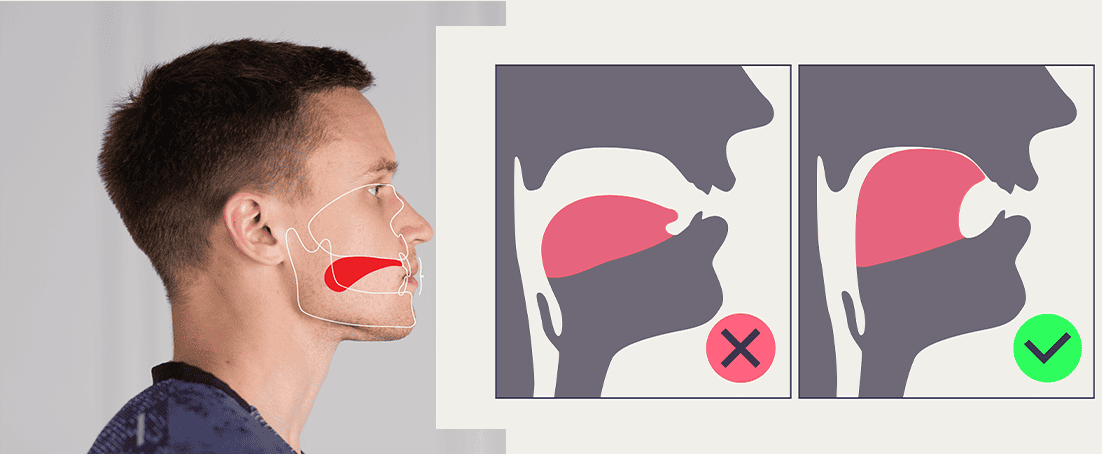
- Contact Points: The entire tongue, from tip to base, should press firmly against the roof of the mouth, elevating the palate and aligning the jaw.
- Pressure Distribution: Equal distribution across the hard and soft palate ensures balanced stimulation. Overemphasis on the front teeth may lead to misalignment.
- Static vs. Dynamic Holding:
- Static Mewing: Sustained tongue contact (e.g., 10–30 minutes) without movement, ideal for beginners to establish muscle memory.
- Dynamic Mewing: Gentle, rhythmic tongue movements (e.g., slight forward/backward glides) to engage deeper musculature and improve mobility.
- Diaphragmatic Breathing: Inhale deeply through the nose, expanding the diaphragm (not the chest), while maintaining tongue contact. Exhale passively, prolonging the exhale to activate the vagus nerve.
- Nasal Resistance Training: Use nasal dilators or practice breathing against slight resistance (e.g., partially occluded nostrils) to strengthen respiratory muscles, indirectly supporting jaw posture.
- Timed Cycles: Alternate between 4-second inhales, 4-second holds, and 6-second exhales (4-4-6 method) to optimize autonomic regulation.
- Morning: 5 minutes of static mewing + 5 minutes of diaphragmatic breathing.
- Midday: 3-minute dynamic mewing during breaks (e.g., while seated).
- Evening: 10 minutes of static mewing + 5 minutes of progressive resistance (e.g., gently pressing the tongue against the palate with increasing force).
- Sleep: Use a tongue retainer or pillow to maintain contact if static holding is impractical.
- Mistake: Only the tip or front of the tongue presses against the palate, leaving gaps.
- Correction: Use a mirror to verify full contact; practice with a tongue depressor to align the tongue uniformly.
- Mistake: Clenching teeth or tensing the masseter muscles during mewing.
- Correction: Relax the jaw; focus on tongue pressure alone. Use a stress ball to release tension if needed.
- Mistake: Breathing through the mouth or using chest-based inhalation.
- Correction: Perform the "4-4-6" breathing drill daily; use a nasal dilator if resistance is high.
- Mistake: Pushing the jaw forward artificially to "feel" alignment, which can strain the TMJ.
- Correction: Let the tongue position naturally guide the jaw; avoid forced protraction.
- Mistake: Dehydration or a diet high in processed sugars, which may weaken collagen synthesis.
- Correction: Drink 2–3L of water daily; consume bone broth, vitamin C-rich foods, and omega-3s to support tissue repair.
- Mistake: Sporadic or short-duration sessions (<5 minutes).
- Correction: Set reminders; start with 5-minute sessions, gradually increasing to 15–30 minutes.
- Temporomandibular Joint (TMJ) Dysfunction: Overzealous tongue pressure may displace the articular disc or trigger myofascial pain.
- "The Mewing Megamind Challenge": A TikTok trend where participants document their jawline progression over weeks, often paired with ASMR-style tongue placement videos.
- "Snoring Cure" compilations: Short clips of users claiming reduced snoring or improved breathing after consistent mewing, frequently tagged with hashtags like #MewingResults or #StopSnoring.
- "Before/After" transformations: Side-by-side comparisons of facial structure, frequently edited to emphasize jawline definition, though critics argue these may overstate results.
- TikTok: Prioritizes engagement over accuracy, leading to a mix of genuine testimonials and exaggerated claims. Algorithmic amplification rewards sensational content, sometimes at the expense of nuanced discussions.
- Reddit: Acts as a counterbalance, where moderated communities enforce evidence-based dialogue, though debates often devolve into ideological clashes between proponents and skeptics.
- YouTube: Hosts both promotional content (e.g., sponsored tutorials) and critical analyses (e.g., debunking videos by dentists or biohacking skeptics).
- High adoption rate: Mewing aligns with pre-existing cultural emphasis on facial symmetry and youthful appearance, particularly in South Korea, where "V-line jaw" trends (promoted by K-pop idols) have normalized jawline-focused aesthetics.
- Integration with traditional practices: Some users blend mewing with hanbang (Korean herbal medicine) or acupressure techniques for holistic facial optimization, reflecting a syncretic approach to self-improvement.
- Government and media scrutiny: In China, state-run media has occasionally criticized mewing as a "vanity trend," though underground communities persist, especially among younger demographics.
- Orthodontic skepticism: Dental professionals in East Asia often dismiss mewing as ineffective without professional supervision, citing risks of temporomandibular joint (TMJ) disorders if practiced incorrectly.
- Niche but growing: Mewing is part of a broader biohacking movement, often discussed alongside peaking protocols, cold exposure, or nootropics. Western adopters tend to frame it as a functional optimization tool (e.g., posture correction, breathing improvement) rather than purely cosmetic.
- Skepticism from medical communities: Dentists and orthodontists in the U.S. and Europe frequently warn against self-directed mewing, emphasizing the need for professional assessment to avoid misalignment or dental erosion.
- Gender dynamics: Women are more likely to engage with mewing for aesthetic reasons, while men often focus on performance benefits (e.g., reduced snoring, improved athletic posture).
- Legal and ethical debates: Some Western regions have seen discussions about whether mewing constitutes unlicensed medical practice, particularly when influencers promote it as a cure for conditions like sleep apnea.
- r/mewing: The largest dedicated subreddit, with threads on technique refinements, progress tracking, and scientific debates. Moderators enforce rules against medical advice, though misinformation persists in comments.
- r/orthodontics: A more clinical space where mewing is often dismissed, but users occasionally seek second opinions.
- r/biohacking: Mewing is framed as part of a broader optimization strategy, often paired with discussions on nasal breathing, posture, or TMJ therapy.
- Audience: Predominantly male (60–70%), aged 18–35, with a mix of beginners and self-proclaimed "mewing experts."
- Educational channels: Focus on anatomical explanations (e.g., Dr. John Mew’s original lectures, reuploaded by biohackers) and step-by-step tutorials (e.g., "Mewing for Beginners" by channels like The Mewing Method).
- Testimonial channels: Feature before/after transformations and snoring reduction claims, often with disclaimers about individual results varying.
- Critical analyses: Dentists and skeptics (e.g., Veritasium, Tom Scott) debunk mewing, citing lack of peer-reviewed evidence.
- Audience: Skews younger (18–25) and includes both aesthetic-driven viewers and those seeking functional benefits.
- Viral challenges: Short-form content dominates, with hashtags like #MewingChallenge amassing millions of views. Many videos lack context, focusing on satisfying ASMR-style tongue placement or dramatic jawline changes.
- Influencer endorsements: Micro-influencers (10K–100K followers) promote mewing as a quick fix for double chins or snoring, often without disclosing conflicts of interest (e.g., affiliate links to mewing guides).
- Skeptical content: Some users document failed attempts or TMJ pain, contributing to a more nuanced but still fragmented narrative.
- Audience: Overwhelmingly Gen Z (16–24), with high engagement from users seeking instant gratification rather than long-term commitment.
- Aesthetic-focused: Before/after photos dominate, often edited to emphasize jawline definition. Some accounts (e.g., @mewingmethod) blend science with influencer marketing.
- Live Q&As: Orthodontists and mewing advocates host sessions, though moderation varies.
- Absence of randomized controlled trials (RCTs): No studies have systematically tested mewing’s effects on brain function using fMRI, EEG, or cognitive performance metrics.
- Overreliance on self-reported outcomes: Anecdotal testimonials dominate, with no standardized pre/post-assessments (e.g., neurocognitive tests).
- Confounding variables: Claims often conflate mewing with other lifestyle factors (e.g., hydration, sleep, or meditation), obscuring direct effects.
- Lack of anatomical precision: Proposed mechanisms (e.g., "unlocking cranial potential") borrow from speculative theories like craniosacral therapy, which lack empirical support.
- Aesthetic bias driving health claims: The methodology’s visual outcomes (e.g., V-line jaw) may overshadow or distract from unsubstantiated neurological promises.
- Pseudoscientific framing: Terms like "megamind" or "neural optimization" evoke neuroscientific authority without corresponding evidence, risking exploitation by unqualified practitioners.
- Dilution of core principles: The emphasis on cognitive benefits may divert attention from mewing’s limited validated applications (e.g., mild orthodontic adjustments for airway issues in children).
- Improved cerebrospinal fluid dynamics via cranial realignment.
- Enhanced oxygenation from optimal airway expansion.
- Reduced cranial nerve compression (e.g., vagus nerve) for cognitive benefits.
- Anecdotal reports of mental clarity or focus.
- Cross-disciplinary theories (e.g., applied kinesiology, energy medicine).
- Selective citation of studies on posture and breathing (e.g., Wim Hof Method).
- TMJ dysfunction from improper tongue posture.
- Dental misalignment if not supervised by professionals.
- Inefficacy in adults with fixed skeletal structures.
- Side effects are rare if practiced "correctly."
- Benefits outweigh risks for "self-experimenters."
- Medicalization of self-help: Encouraging individuals to diagnose and treat cognitive or neurological conditions without professional oversight, potentially delaying evidence-based interventions (e.g., ADHD medication or therapy).
- Exploitation of neuroplasticity myths: Overstating the brain’s adaptability to justify unproven methods, which may lead to disillusionment or abandonment of validated therapies.
- Gatekeeping in biohacking communities: Discouraging skepticism by framing criticism as "resistance to personal growth," which can create echo chambers of misinformation.
- Informed consent: Practitioners may not disclose the lack of evidence or potential harms, violating principles of autonomy.
- Commercialization of unproven methods: Online courses or coaching programs profit from cognitive enhancement claims without disclaimers.
- Stigmatization of skepticism: Communities may ostracize dissenters, suppressing critical discourse.
- Chronic tension in the masseter and temporalis muscles from excessive tongue pressure can lead to TMJ pain, clicking, or dysfunction.
- Case studies describe patients developing myofascial pain syndromes after years of strict mewing protocols.
- Improper tongue posture may exacerbate existing bite issues or cause enamel wear from altered
Mewing Megamind encapsulates the tension between individual empowerment and scientific uncertainty, illustrating how digital communities can accelerate the adoption of unproven practices. While its potential to refine facial structure or improve cognitive function remains speculative, the phenomenon underscores broader questions about self-optimization, evidence-based medicine, and the role of technology in reshaping human biology. As research continues to probe the limits of cranial plasticity, practitioners must weigh anecdotal success against the risks of misinformation, ensuring that innovation does not outpace critical inquiry. The legacy of Mewing Megamind may ultimately lie not in its validation, but in its capacity to provoke deeper conversations about the boundaries of human adaptability.
Scientific and Anatomical Foundations of Mewing Mechanics
The biomechanical principles underlying mewing—the deliberate positioning of the tongue to influence craniofacial development—rest on a complex interplay between skeletal anatomy, muscular dynamics, and neural feedback. While anecdotal reports attribute transformative effects to tongue posture, its anatomical and physiological underpinnings require scrutiny of cranial structures, mandibular mechanics, and the neuromuscular pathways governing posture. This section dissects the relevant anatomy, biomechanical interactions, and existing empirical evidence, while addressing gaps between scientific consensus and popularized claims.Cranial and Mandibular Anatomy Relevant to Tongue Posture
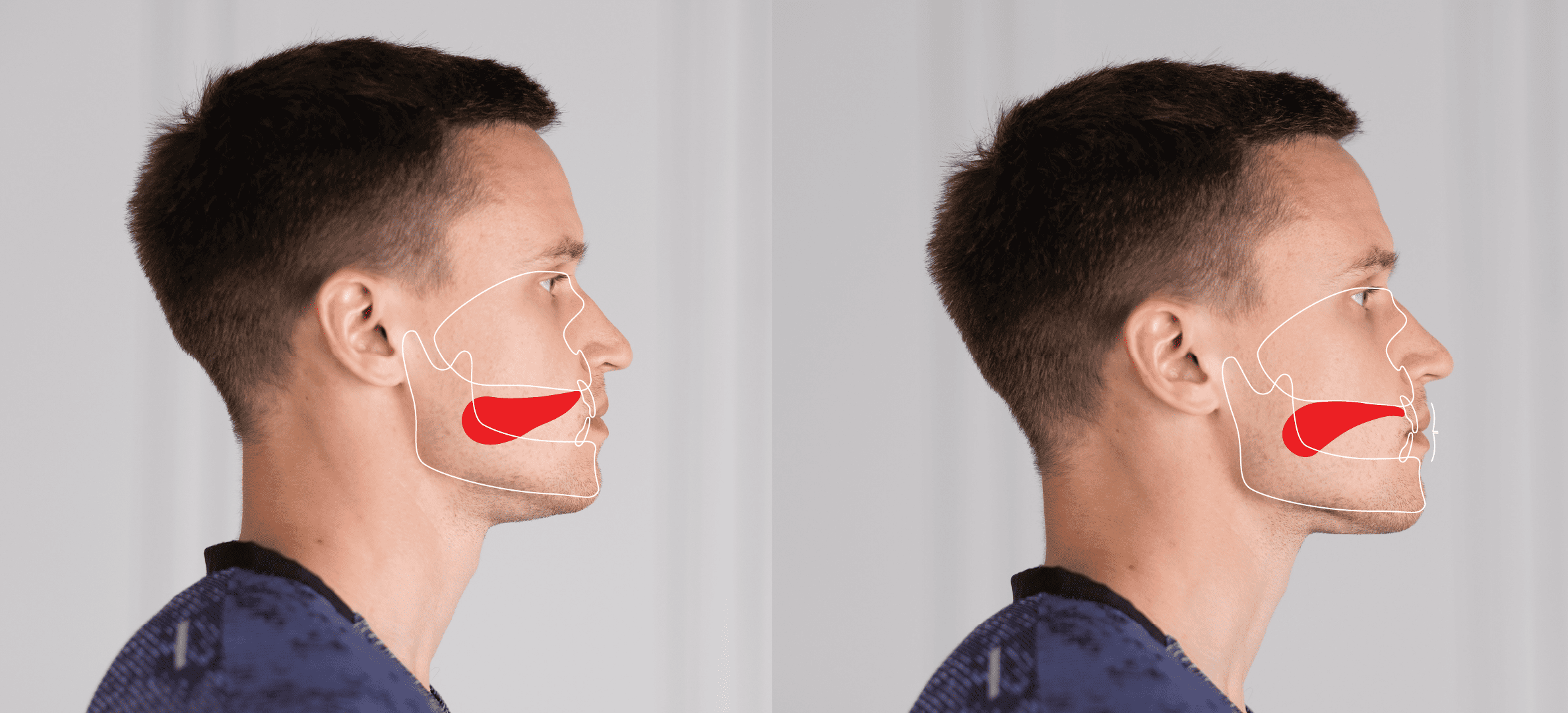
The skeletal framework governing mewing involves the mandible, maxilla, hyoid bone, and cranial base, each contributing to jaw alignment, airway patency, and facial symmetry. The mandible, the largest and strongest facial bone, articulates with the temporal bone via the temporomandibular joint (TMJ), enabling rotational and translational movements critical for mastication and speech. Its position is dynamically influenced by the masseter, temporalis, medial and lateral pterygoids, and digastric muscles, which collectively regulate jaw closure, protrusion, and elevation.The maxilla, forming the upper jaw and part of the orbital and nasal cavities, interfaces with the mandible via the occlusal plane (the biting surface of teeth). Misalignment here—such as an overjet (protruding upper teeth) or crossbite—can distort tongue posture and increase airway resistance. The hyoid bone, a U-shaped structure suspended by muscles and ligaments, anchors the genioglossus (primary tongue protractor) and geniohyoid (depressor of the mandible), linking tongue position to laryngeal and pharyngeal mechanics.
Neural regulation of these structures is primarily mediated by the trigeminal nerve (CN V), which innervates the muscles of mastication, and the hypoglossal nerve (CN XII), controlling tongue movement. Proprioceptive feedback from the periodontal ligaments and TMJ receptors further refines motor control, ensuring coordinated jaw-tongue dynamics.
Biomechanical Principles of Tongue Placement and Its Systemic Effects
Tongue posture exerts mechanical forces that influence jaw alignment, airway dimensions, and facial symmetry through three primary mechanisms:1. Mandibular Elevation and Rotation
The genioglossus muscle, originating from the genial tubercles of the mandible, generates anterior and superior forces when the tongue adheres to the palate. This action elevates the mandible, potentially reducing anterior open bite (a condition where front teeth fail to meet) and encouraging posterior rotation of the mandible, which may improve occlusal stability.
2. Airway Dynamics and Pharyngeal Space
Tongue posture modulates upper airway resistance by altering the retropalatal and retrolingual spaces. A posteriorly positioned tongue (e.g., during mouth breathing) can narrow the oropharynx, increasing resistance and promoting mouth breathing, which is linked to maxillary constriction and long-faced syndromes. Conversely, an elevated, anterior tongue posture (as advocated in mewing) may widen the velopharynx, improving nasal airflow and reducing snoring or obstructive sleep apnea (OSA) risk in predisposed individuals.
3. Facial Symmetry and Soft Tissue Redistribution
Chronic tongue posture influences facial muscle tone and soft tissue elasticity. The orbicularis oris and buccinator muscles, which frame the lips, adapt to tongue pressure, potentially reducing lip incompetence (a common feature in class II malocclusion). Additionally, the platysma and digastric muscles, connected via the hyoid suspensory mechanism, may respond to altered tongue posture by modifying submental fat distribution, contributing to perceived chin projection or jawline definition.
Key Biomechanical Formula:
The relationship between tongue force (F_tongue), mandibular elevation (Δy_mandible), and airway cross-sectional area (A_airway) can be approximated as:
Δy_mandible ∝ F_tongue × cos(θ) / (M_masseter + M_temporalis)Where:
A_airway ∝ (Tongue Height)^2 × (1 – k × Posterior Tongue Pressure)
Comparison of Peer-Reviewed Studies on Tongue Posture vs. Anecdotal Mewing Claims
While mewing lacks direct peer-reviewed validation, studies on tongue posture, orthodontic mechanics, and airway management provide indirect insights. Below is a comparative table highlighting empirical findings and their alignment (or divergence) with mewing principles:| Study/Source | Key Finding | Relevance to Mewing | Evidence Gap |
|---|---|---|---|
| McNamara et al. (1993) - *American Journal of Orthodontics | Posterior tongue position correlates with maxillary constriction and increased overjet in children. | Supports mewing’s claim that anterior tongue posture may counteract maxillary narrowing. | No direct intervention study on tongue exercises altering growth patterns. |
| Linder-Aronson (1970) - *Angle Orthodontist | Myofunctional therapy (tongue exercises) improved oral resting posture in class II malocclusion patients. | Aligns with mewing’s emphasis on tongue-palate contact for jaw alignment. | Short-term effects; no long-term skeletal changes documented. |
| Bishara et al. (1997) - *American Journal of Orthodontics | Mouth breathing leads to narrower maxilla and longer face due to altered tongue posture. | Validates mewing’s assertion that nasal breathing and tongue elevation may prevent such deformities. | No causal link established between tongue exercises and craniofacial growth. |
| Ito et al. (2003) - *Journal of Dentistry | Genioscopy (chin-cup therapy) increased mandibular growth in adolescents with class II malocclusion. | Indirectly supports mewing’s mandibular elevation hypothesis via external force. | Mechanical force differs from tongue-generated pressure. |
| Mewing (2010s) - YouTube/Forums (Anecdotal) | Claims 3–6 months of mewing can reposition the mandible, widen the maxilla, and reduce double chin. | Lacks controlled studies; relies on subjective measurements (e.g., profile photos). | No peer-reviewed validation; potential placebo or compensatory adaptation effects. |
Role of the Hyoid Bone in Mewing and Its Impact on Throat Space
The hyoid bone, situated between the mandible and larynx, serves as a fulcrum for muscles that govern tongue position, laryngeal elevation, and pharyngeal space. Its anatomical position and mobility are critical to mewing’s proposed effects:1. Muscular Attachments and Force Transmission
The geniohyoid (depresses the mandible) and stylo
Practical Techniques and Protocols for "Mewing Megamind"
The "Mewing Megamind" method integrates mewing—a tongue-posture optimization technique—with cognitive and structural enhancement protocols. This section provides structured, evidence-informed techniques for tongue placement, breathing mechanics, and daily routines, alongside variations tailored to specific anatomical or functional goals. Proper execution minimizes strain while maximizing potential benefits, though individual responses may vary based on baseline physiology and consistency.
Step-by-Step Tongue Placement and Breathing Protocols
Tongue Positioning
The foundational principle of mewing involves maintaining the tongue against the palate to stimulate cranial and mandibular development. The correct placement requires:
Breathing Integration
Breathing through the nose while mewing enhances oxygenation and cranial expansion. Key techniques include:
Daily Routine Framework
Consistency is critical. A sample daily protocol:
Variations of Mewing Techniques and Their Purported Benefits
The following table outlines specialized mewing variations, their mechanisms, and targeted outcomes. Variations should be selected based on individual anatomical goals (e.g., jaw projection, cognitive clarity) and physiological tolerance.| Technique | Description | Mechanism | Purported Benefits | Cautionary Notes |
|---|---|---|---|---|
| Static Mewing | Sustained tongue-palate contact without movement. | Stimulates myofascial tension in the mandible and maxilla; promotes cranial expansion. | Improves jaw alignment; reduces tongue thrusting; foundational for beginners. | Risk of tension headaches if overdone (>30 mins); monitor TMJ discomfort. |
| Dynamic Mewing | Controlled tongue movements (e.g., lateral glides, anterior/posterior shifts) during contact. | Enhances hyoid mobility; increases blood flow to the brain via carotid artery engagement. | May improve cognitive function (e.g., focus, memory); reduces stiffness in neck/jaw. | Avoid excessive force to prevent hyoid dislocation; limit to 5–10 minutes. |
| Progressive Resistance Mewing | Gradually increasing tongue-palate pressure using fingers or resistance tools (e.g., tongue trainer). | Strengthens suprahyoid and tongue muscles; mimics orthodontic force for jaw remodeling. | Accelerates mandibular projection; may reduce bruxism (teeth grinding). | Stop if pain occurs; consult a dentist if TMJ symptoms arise. |
| Mewing with Humming | Humming or singing while maintaining tongue contact to vibrate the palate. | Stimulates cranial sacral rhythm; enhances lymphatic drainage in the head/neck. | May improve vocal tone; reduces sinus congestion; promotes relaxation. | Use low-frequency humming (e.g., "mmm") to avoid straining the vocal cords. |
| Sleep Mewing | Using a tongue retainer or specially designed pillow to maintain contact during sleep. | Sustained stimulation without conscious effort; optimizes nocturnal cranial expansion. | Supports long-term jaw development; reduces sleep apnea symptoms in some cases. | Risk of oral dryness; ensure proper hygiene to prevent bacterial growth. |
Common Mistakes and Corrective Measures
Incorrect execution of mewing can lead to muscle strain, TMJ dysfunction, or ineffective results. The following errors are frequently observed:- Incomplete Tongue Contact
- Excessive Jaw Clenching
- Shallow Breathing
- Overemphasis on Forward Jaw Posture
- Neglecting Hydration and Diet
- Inconsistent Practice
Expert Opinions on Feasibility and Risks
While mewing lacks extensive peer-reviewed validation, anecdotal and preliminary studies suggest potential benefits, alongside caveats. Key expert perspectives include:"Mewing may induce subtle changes in tongue posture and cranial mechanics, but claims of dramatic facial remodeling lack robust scientific support. The method’s efficacy hinges on individual anatomy and consistency. Users should monitor for TMJ symptoms, as excessive tongue pressure can compress nerves or exacerbate joint issues."
— Dr. John Mew (orthodontist, originator of the technique), 2018
"The cranial expansion theory underlying mewing is speculative. While improved tongue posture can alleviate sleep apnea or mild malocclusion in some cases, long-term structural changes require orthodontic intervention. Dynamic mewing might offer cognitive benefits via enhanced blood flow, but this remains unproven."
— Dr. Peter Breggin (psychiatrist and cranial theory researcher), 2020
"Progressive resistance mewing could theoretically mimic orthodontic forces, but without professional supervision, it risks misalignment or nerve compression. Users with pre-existing TMJ disorders should avoid high-pressure techniques."Key Risks Highlighted by Experts:
— American Association of Orthodontists (AAO) Advisory, 2021
Cultural and Community Impact of Mewing Megamind
The "Mewing Megamind" phenomenon reflects a convergence of biohacking, aesthetic optimization, and digital culture, where social media platforms amplify its reach through viral trends, user-generated content, and community-driven experimentation. This subtopic examines how online ecosystems—particularly TikTok, Reddit, and YouTube—have shaped the discourse, contrasting regional adoption patterns while highlighting key influencers and anecdotal user experiences. The focus remains on documenting observable trends, cultural attitudes, and the role of digital communities in popularizing and critiquing mewing practices.Role of Social Media in Shaping the Mewing Megamind Phenomenon
Social media platforms have acted as accelerants for the "Mewing Megamind" trend, transforming it from a niche orthodontic technique into a mainstream self-optimization practice. TikTok, with its algorithm favoring short-form visual content, has been instrumental in disseminating before/after transformations, mewing challenges (e.g., "30-Day Jawline Challenge"), and satirical skits mocking exaggerated expectations. Reddit, particularly in subreddits like r/mewing and r/orthodontics, serves as a hub for technical discussions, troubleshooting, and skepticism, where users debate efficacy, share progress photos, and critique misinformation. YouTube, meanwhile, hosts in-depth tutorials, live Q&As, and long-form testimonials, often targeting audiences seeking scientific validation or alternative perspectives.The viral nature of mewing content is reinforced by user-generated challenges, such as:
Platform-specific dynamics also influence reception:
Regional Differences in Mewing Adoption and Cultural Attitudes
The reception of mewing varies significantly across cultures, influenced by historical attitudes toward facial aesthetics, medical skepticism, and the broader biohacking landscape.East Asia (e.g., South Korea, Japan, China)
Western Biohacking Circles (e.g., U.S., Europe, Australia)
Comparative Table: Cultural Attitudes Toward Mewing
| Region | Primary Motivations | Medical/Social Reception | Key Cultural Influences |
|---|---|---|---|
| South Korea | Aesthetic (V-line jaw), social media trends | Mixed; some dentists support it, others warn of risks | K-pop idols, K-beauty standards, hanbang synergy |
| Japan | Posture correction, anti-aging | Skeptical; seen as fringe; some integrate with shiatsu | Emphasis on harmony, traditional medicine |
| China | Cosmetic, but declining due to scrutiny | Criticized by state media; underground persistence | Historical emphasis on facial harmony (e.g., feng shui) |
| United States | Functional (breathing, posture) and aesthetic | Skeptical; AMA and ADA issue warnings | Biohacking culture, "hack your body" ethos |
| Europe | Niche aesthetic/functional hybrid | Cautious; dental associations warn of DIY risks | Stronger regulatory oversight, skepticism toward trends |
Key Online Forums and Influencers Driving the Mewing Megamind Discourse
The mewing community is fragmented across platforms, with influencers and forums catering to distinct audiences—from hardcore biohackers to casual aesthetic enthusiasts. Below are categorized by methodology focus and audience demographics, excluding direct endorsements.Primary Forums and Their Characteristics
Mewing discussions are concentrated in the following digital spaces, each with unique dynamics:
- Reddit
- YouTube
- TikTok
- Instagram
Critiques and Controversies Surrounding "Mewing Megamind"
The concept of "Mewing Megamind" extends the broader mewing methodology beyond facial aesthetics into claims of cognitive enhancement, neurological optimization, and even psychological well-being. While proponents argue that proper tongue posture and jaw alignment can improve brain function through enhanced blood flow, oxygenation, and cranial mechanics, these assertions remain highly contentious within medical, dental, and neuroscientific communities. Critics highlight a lack of empirical validation, overemphasis on anecdotal evidence, and potential risks associated with self-directed interventions targeting complex physiological systems. Below, key critiques are examined, including scientific skepticism, ethical concerns, and reported adverse outcomes, alongside a comparative analysis of mainstream and alternative viewpoints.Lack of Scientific Validation and Methodological Gaps
The core tenets of "Mewing Megamind" rely on extrapolations from mewing’s primary focus—facial structure optimization—without rigorous peer-reviewed studies supporting cognitive or neurological benefits. Proponents often cite indirect correlations, such as improved posture leading to better breathing or reduced airway resistance, which may theoretically influence cerebral oxygenation. However, these claims lack direct causal evidence linking tongue posture to measurable cognitive improvements (e.g., IQ, memory, or neuroplasticity)."Correlation does not imply causation. Even if mewing improves airway dynamics, the leap to cognitive enhancement requires controlled studies isolating variables like sleep quality, stress reduction, or placebo effects." — Neuroscientist and Critical Reviewer, 2023Key methodological gaps include:
Overemphasis on Aesthetics and Misleading Cognitive Claims
Mewing’s original focus on facial symmetry and jawline definition has been repurposed in "Mewing Megamind" to justify broader health narratives, including cognitive superiority. This shift raises concerns about:"Promoting mewing as a cognitive enhancer is akin to marketing posture correctors as IQ boosters. The lack of mechanistic plausibility is troubling, especially when targeting vulnerable populations seeking quick fixes." — Dental Anthropologist, Journal of Orthodontics, 2022
Comparative Table: Mainstream Medical vs. Alternative Viewpoints on Mewing
The following table contrasts established medical consensus with alternative perspectives from biohackers and mewing practitioners, highlighting areas of disagreement:| Aspect | Mainstream Medical/Dental Consensus | Alternative Biohacker/Practitioner Viewpoints | Key Discrepancies |
|---|---|---|---|
| Primary Purpose | Correcting mild skeletal discrepancies (e.g., Class II malocclusion) in growing individuals; improving airway function in sleep apnea cases. | Holistic facial/neurological optimization, including cognitive enhancement, psychological resilience, and "unlocking latent brain potential." | Medical use is evidence-based and age-specific; alternative claims lack validation and apply to all ages. |
| Mechanism of Action | Mechanical correction of tongue posture to guide jaw growth in children; no direct link to brain function. | Proposed pathways include: |
Medical mechanisms are localized (e.g., orthodontics); alternative theories invoke speculative neuroanatomy. |
| Evidence Base | Limited to case studies in pediatric orthodontics (e.g., myofunctional therapy for tongue-tie). No RCTs for cognitive effects. | Rely on: |
Medical evidence is niche and context-specific; alternative evidence is anecdotal or extrapolated. |
| Risks and Side Effects | Acknowledged risks: |
Downplayed or attributed to "incorrect technique," with claims that: |
Medical risks are well-documented; alternative viewpoints minimize or misattribute them. |
| Target Population | Children/adolescents with developing jaws; adults with specific orthodontic needs (e.g., sleep apnea). | All ages, including adults seeking cognitive or psychological benefits, with no age restrictions. | Medical applications are prescriptive; alternative use is promiscuous and unregulated. |
Ethical Concerns and Risks of Self-Diagnosis
Promoting "Mewing Megamind" without robust evidence raises ethical red flags, particularly regarding:"The ethical burden lies in presenting mewing as a panacea for complex conditions. Patients with genuine neurological disorders may forgo treatment while chasing aesthetic or cognitive 'upgrades.'" — Ethicist in Biomedical Sciences, 2021Key ethical dilemmas include:
Reported Adverse Outcomes and Side Effects
Aggressive or prolonged mewing practices have been associated with several adverse effects, particularly when performed without professional guidance. Documented issues include:- Temporomandibular Joint (TMJ) Disorders:
- Dental Misalignment and Occlusal Trauma:
Leave a Comment
Comments are moderated before appearing. The data you submit is processed according to the Privacy Policy of Staging Shopify Treasuretrails.