Cozy Outfit Ideas For Dti Combining Comfort And Style Daily
Table of Contents
- Cozy Outfit Essentials for Daily Wear: Fabric Selection and Seasonal Adaptation
- Core Fabric Types for Cozy Outfits and Their Properties
- Seasonal Fabric Adaptations for Temperature and Climate
- Must-Have Items for a Functional Cozy Wardrobe
- Comparison of Lightweight vs. Heavyweight Fabrics for Cozy Outfits
- Styling Techniques for Layered Comfort in Cozy Outfits
- Fabric Layering Strategies for Adjustable Warmth
- Color Coordination for Cohesive Layered Outfits
- Step-by-Step Guide to Accessorizing Layered Outfits
- Do’s and Don’ts for Mixing Textures in Cozy Outfits
- Budget-Friendly Cozy Outfit Hacks
- Affordable Fabric Alternatives to Luxury Cozy Materials
- Store-Bought vs. DIY Cozy Essentials: Cost and Quality Comparison
- Repurposing Existing Wardrobe Pieces for Extended Cozy Longevity
- Cozy Outfit Trends for Work-from-Home and Relaxation
- Athleisure-Meets-Cozy: Versatile Hybrid Outfits for Remote Work
- Loungewear-Inspired Outfits for Seamless Transition
- Comparative Analysis: Professional-Cozy vs. Full Lounge Outfits
- Incorporating Sustainable Fabrics into Cozy Trends
- Illustrating Cozy Outfit Mood Boards: Visual Techniques and Digital Tools
- Representing Fabric Textures in Mood Boards
- Organizing Mood Boards by Thematic Categories
- Depicting Layering Techniques in Mood Boards
- Creating Digital Mood Boards with Accessibility in Mind
Elevating everyday comfort through intentional styling, Cozy Outfit Ideas For Dti merges practicality with aesthetic appeal to redefine casual and work-from-home wardrobes. This guide explores fabric innovations, seasonal adaptations, and budget-conscious strategies that transform basic layers into warm, versatile ensembles. Whether navigating winter chill or spring transitions, the right materials—from breathable cotton blends to insulating wool—serve as the foundation for effortless comfort.
The essence of cozy dressing lies in balancing warmth, mobility, and visual harmony, achieved through strategic layering and texture play. From gender-neutral staples like thermal leggings to gender-specific touches such as tailored knit vests, this approach ensures functionality without sacrificing personal expression. By integrating affordable alternatives and sustainable fabrics, readers can curate a wardrobe that aligns with both comfort priorities and ethical considerations, proving that coziness need not compromise style or responsibility.
Cozy Outfit Essentials for Daily Wear: Fabric Selection and Seasonal Adaptation
Cozy outfits prioritize warmth, breathability, and softness while maintaining practicality for daily activities. The choice of fabric determines temperature regulation, comfort, and durability, making it the foundation of functional loungewear. Seasonal variations further refine material selection, balancing insulation needs with mobility and airflow requirements. Below, the core fabric types, seasonal adaptations, and essential wardrobe items are analyzed to construct a versatile, climate-appropriate cozy wardrobe.
Core Fabric Types for Cozy Outfits and Their Properties
Fabrics for cozy outfits are categorized by their thermal retention, breathability, and texture. Natural fibers like wool and cotton excel in moisture-wicking and breathability, while synthetic blends (e.g., fleece, polyester) enhance insulation and softness. Wool blends (e.g., merino wool) regulate temperature by trapping air without overheating, ideal for transitional seasons. Cotton (especially flannel or jersey) offers breathability but requires layering in colder climates. Fleece (polyester-based) provides lightweight warmth but may lack breathability in humid conditions. Bamboo and Tencel are eco-friendly alternatives with moisture-wicking properties, suitable for layering in mild weather.
Seasonal Fabric Adaptations for Temperature and Climate
Cozy outfits must adapt to seasonal temperature shifts while maintaining comfort. Winter layers prioritize heavyweight fabrics (e.g., thick wool, down-filled jackets) with thermal insulation (e.g., Thinsulate, PrimaLoft). Spring/fall transitional pieces use medium-weight blends (e.g., cotton-wool mixes, lightweight fleece) to accommodate variable temperatures. Summer cozy wear relies on breathable, moisture-wicking materials (e.g., linen-cotton blends, bamboo) to prevent overheating. Humid climates favor fabrics with wicking properties (e.g., merino wool, Tencel), while dry climates benefit from static-resistant synthetics (e.g., polyester fleece) to retain warmth.
Must-Have Items for a Functional Cozy Wardrobe
A well-curated cozy wardrobe includes gender-neutral staples (e.g., oversized sweaters, thermal leggings, soft socks) and gender-specific preferences (e.g., tunics for women, button-ups for men). Layering pieces such as cardigans, hoodies, and vests allow temperature adjustments. Footwear (e.g., fuzzy slippers, wool socks) and accessories (e.g., scarves, beanies) complete the ensemble. Below is a categorized checklist:
- Gender-Neutral Essentials
- Oversized knit sweaters (merino wool or cotton blend)
- Thermal leggings or joggers (fleece-lined for winter)
- Soft, non-slip socks (merino wool or bamboo)
- Lightweight fleece-lined hoodies (for layering)
- Unisex lounge pants (stretchy, moisture-wicking fabric)
- Gender-Specific Preferences
- Women: Flowing tunics, wrap cardigans, high-waisted leggings
- Men: Button-up flannel shirts, cargo-style sweatpants, thermal boxers
- Layering and Accessories
- Thick knit scarves (wool or cashmere)
- Beanie or knit hat (merino wool for breathability)
- Slip-on loafers or fuzzy slippers (insulated soles)
- Lightweight down or synthetic-filled vest (for extra warmth)
Comparison of Lightweight vs. Heavyweight Fabrics for Cozy Outfits
The choice between lightweight and heavyweight fabrics impacts mobility, breathability, and warmth. Below is a comparative table outlining key differences:
| Property | Lightweight Fabrics (e.g., Fleece, Linen-Cotton Blends) | Heavyweight Fabrics (e.g., Wool, Thick Knits, Down) |
|---|---|---|
| Warmth | Moderate (ideal for spring/fall; requires layering for winter) | High (traps heat effectively; suitable for winter) |
| Breathability | High (prevents overheating; wicks moisture) | Low (can cause sweating; less airflow) |
| Mobility | Superior (flexible, drapes well; ideal for active wear) | Limited (bulkier; restricts movement) |
| Durability | Moderate (thins with frequent washing) | High (resists wear; retains shape) |
| Seasonal Use | Spring, fall, mild winters (with layers) | Winter, extreme cold climates |
| Maintenance | Low (machine-washable; quick-drying) | High (may require hand-washing or professional cleaning) |
Key Consideration: Lightweight fabrics excel in transitional seasons and active wear, while heavyweight fabrics dominate winter insulation. Layering lightweight pieces under heavyweight outerwear optimizes versatility.

Styling Techniques for Layered Comfort in Cozy Outfits
Layering is a fundamental technique in creating adaptable, seasonally versatile cozy outfits that balance warmth, functionality, and aesthetic appeal. The key lies in strategically combining fabrics of varying weights, textures, and lengths to regulate body temperature while maintaining a streamlined silhouette. This approach ensures comfort without sacrificing style, making it ideal for dynamic weather conditions or personal preference shifts throughout the day. Effective layering also allows for creative color and texture play, transforming basic pieces into cohesive, visually engaging ensembles.The success of layered outfits depends on understanding fabric compatibility, proportion, and transitional elements such as accessories. By adhering to proven styling principles—such as pairing breathable base layers with insulating mid-layers and finishing with a lightweight outer layer—wearers can achieve a harmonious blend of practicality and elegance. Below, structured guidelines address fabric pairing, color coordination, accessorizing, and texture mixing to refine cozy styling techniques.
Fabric Layering Strategies for Adjustable Warmth
The foundation of layered comfort lies in selecting fabrics that complement each other in weight, breathability, and drape. Thin, moisture-wicking materials (e.g., merino wool, bamboo, or lightweight cotton) serve as ideal base layers, while mid-layers like chunky knits, fleece, or cashmere provide insulation. Outer layers should prioritize versatility—think lightweight wool coats, oversized cardigans, or structured trench coats that can be easily removed or adjusted.Key principles for fabric layering:
Example Layering Combinations:
Avoid:
Color Coordination for Cohesive Layered Outfits
Color plays a critical role in unifying layered outfits while adding depth and visual interest. The most effective strategies rely on harmonious palettes that either blend seamlessly or create intentional contrast. Monochromatic schemes (varying shades of a single hue) offer a polished, elongated look, while earth tones (beige, olive, taupe) provide a neutral, universally flattering base. Contrasting neutrals—such as black with cream, gray with camel, or navy with white—introduce sophistication without clashing.Strategies for Color Coordination:
Proportional Guidelines:
Example Palettes:
Step-by-Step Guide to Accessorizing Layered Outfits
Accessories serve as the finishing touch to layered outfits, enhancing both comfort and style. The goal is to select pieces that complement the outfit’s proportions, textures, and color scheme while adding functional warmth. Chunky knit scarves, fingerless gloves, and slouchy hats are staples for cold weather, but their styling requires attention to scale and harmony.Step 1: Assess the Outfit’s Proportions
Step 2: Select Accessories by Function and Fabric
Step 3: Coordinate Textures and Colors
Step 4: Layer Accessories Strategically
Example Accessorizing Scenarios:
Do’s and Don’ts for Mixing Textures in Cozy Outfits
Texture contrast adds dimension to layered outfits, but mismatched materials can create visual or tactile discomfort. The following guidelines ensure harmonious texture combinations while avoiding common pitfalls.Do:
Budget-Friendly Cozy Outfit Hacks
Creating a cozy wardrobe on a budget requires strategic fabric selection, resourceful repurposing, and timely shopping. Affordable alternatives to luxury materials—such as faux fur, synthetic fleece, and thrifted wool—can replicate warmth and texture without compromising style or cost. This section explores cost-effective solutions, compares DIY versus store-bought cozy essentials, and provides actionable tips for extending the lifespan of existing garments. Seasonal shopping strategies further optimize savings by leveraging sales, secondhand markets, and outlet deals."A well-planned cozy wardrobe balances comfort and affordability by prioritizing versatile fabrics, upcycling techniques, and strategic purchasing timelines."
Affordable Fabric Alternatives to Luxury Cozy Materials
High-end cozy fabrics like cashmere, merino wool, and real fur often come with premium price tags, but synthetic and upcycled alternatives deliver comparable comfort. Faux fur (polyester or acrylic-based) mimics the softness of animal fur and is available in budget-friendly rolls or trim from fabric stores or online retailers like Etsy or Amazon. Synthetic fleece (polyester or microfiber) provides warmth and stretch, often at a fraction of the cost of wool blends, and is ideal for lining jackets or crafting throw blankets. Thrifted wool—sourced from secondhand stores or online resale platforms—can be sanitized and repurposed into sweaters, scarves, or socks with minimal processing.For those seeking breathability, bamboo fabric (rayon or lyocell) offers moisture-wicking properties similar to merino wool, while recycled polyester (from plastic bottles) provides insulation and durability. Cotton flannel and chambray serve as economical staples for layered outfits, especially when paired with thermal underwear. Below is a comparison of key budget-friendly fabrics and their luxury counterparts:
| Budget Fabric | Luxury Equivalent | Key Benefits | Best Uses | Price Range (USD) |
|---|---|---|---|---|
| Faux Fur (Polyester/Acrylic) | Real Mink or Shearling | Lightweight, hypoallergenic, machine-washable | Collar/trim for jackets, beanies, boot cuffs | $5–$20 per yard (vs. $50–$200+ for real fur) |
| Synthetic Fleece (Polyester) | Merino Wool | Warmth without bulk, odor-resistant, affordable | Lined jackets, blankets, leggings | $3–$10 per yard (vs. $20–$50 for wool) |
| Thrifted Wool (Sanitized) | Cashmere or Virgin Wool | Softness, natural temperature regulation, sustainable | Sweaters, scarves, sock yarn | $1–$5 per item (vs. $50–$300 new) |
| Bamboo Rayon | Silk or Tencel | Breathable, antimicrobial, eco-friendly | Lightweight layers, pajama sets | $8–$15 per yard (vs. $20–$40 for silk) |
| Recycled Polyester | Down or PrimaLoft | Insulating, quick-drying, sustainable | Vest linings, thermal underwear | $5–$12 per yard (vs. $15–$30 for down) |
Store-Bought vs. DIY Cozy Essentials: Cost and Quality Comparison
DIY projects often yield higher savings and customization but require time and basic sewing skills. Below is a comparative analysis of common cozy items, highlighting cost efficiency, durability, and effort level."DIY cozy items typically cost 30–70% less than retail equivalents while allowing personalization, though they may lack the precision of mass-produced goods."Context: The table below evaluates upfront cost, long-term value, and effort required for DIY versus store-bought cozy essentials. Factors like material longevity, repairability, and seasonal adaptability are considered.
| Item | Store-Bought (USD) | DIY Cost (USD) | Time/Effort | Durability Notes | Customization Benefits |
|---|---|---|---|---|---|
| Crocheted Throw Blanket | $30–$80 | $10–$25 (yarn + hooks) | Moderate (20–40 hours for beginners) | Handmade blankets last 5–10+ years with care; store-bought acrylic throws may pill. | Color/pattern control, adjustable size. |
| Fleece-Lined Jacket | $50–$150 | $20–$50 (fabric + interfacing) | High (sewing pattern, lining, hemming) | DIY jackets withstand 3–5 years with proper stitching; retail versions may have cheaper zippers. | Fit adjustments, pocket additions, fabric choice. |
| Puffer Vest | $40–$120 | $15–$40 (polyfill + outer fabric) | Moderate (10–20 hours) | DIY vests lose loft over 2–3 years; retail versions use higher-quality insulation. | Quilted patterns, asymmetrical designs. |
| Faux Fur Boot Cuffs | $25–$60 | $5–$15 (faux fur fabric + glue) | Low (no-sew options available) | DIY cuffs last 1–2 years with wear; retail versions use more durable stitching. | Custom length, color, and texture. |
| Chunky Knit Scarf | $20–$70 | $10–$20 (yarn) | Low (5–10 hours for beginners) | Hand-knit scarves last 5+ years; retail versions may fray faster. | Unique stitch patterns, gradient colors. |
Repurposing Existing Wardrobe Pieces for Extended Cozy Longevity
Upcycling old garments transforms forgotten items into stylish, functional cozy pieces while reducing waste. Techniques range from simple alterations (e.g., adding faux fur trim) to complete transformations (e.g., converting a sweater into an oversized cardigan). Below are high-impact, low-effort methods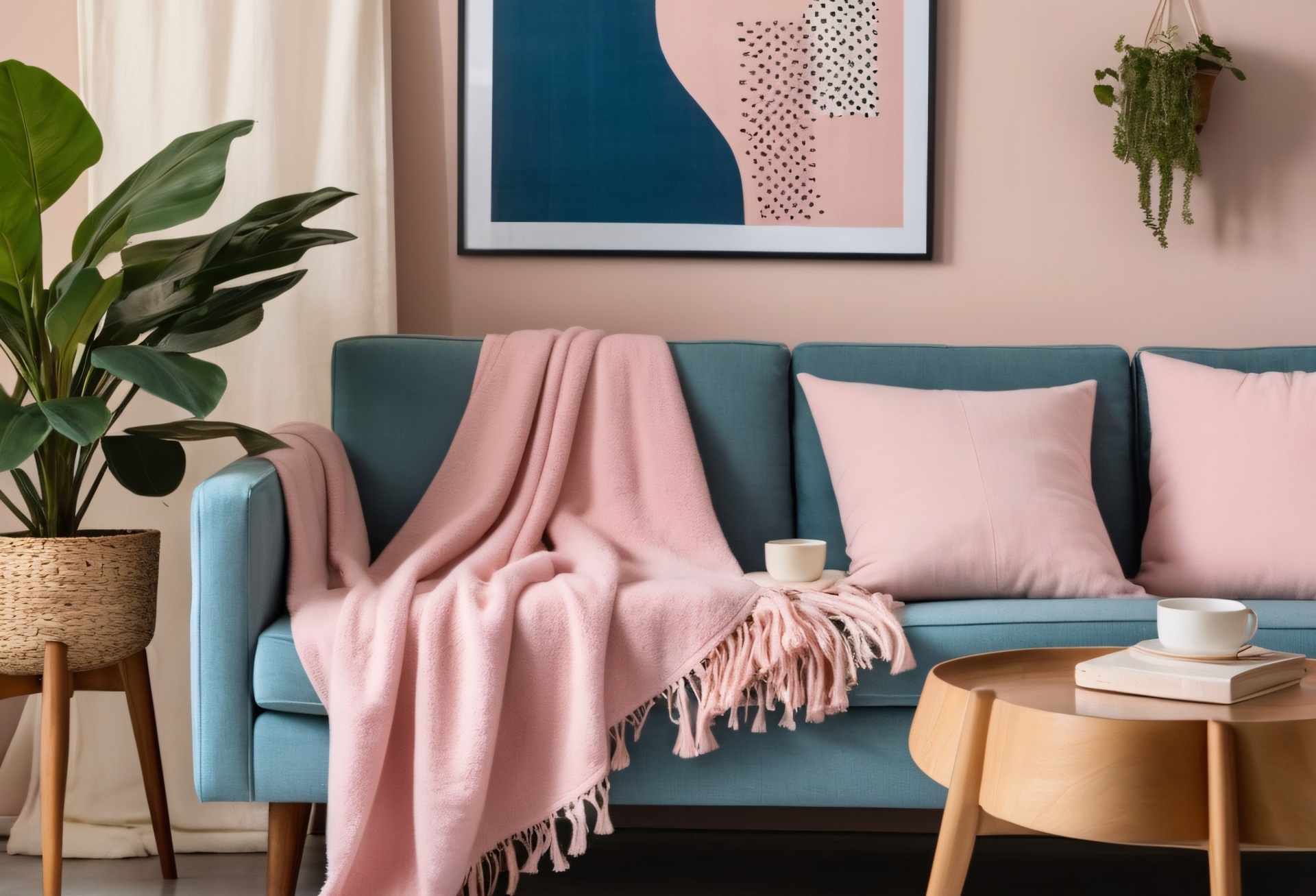
Cozy Outfit Trends for Work-from-Home and Relaxation
The evolution of remote work and flexible lifestyles has redefined comfort-centric fashion, blending functionality with relaxation. Trends such as "athleisure-meets-cozy" and loungewear-inspired ensembles now dominate wardrobes, offering seamless transitions between productivity and downtime. These styles prioritize soft textures, ergonomic designs, and adaptability, catering to the dual demands of professionalism and personal comfort. Sustainable materials further enhance their appeal, aligning with eco-conscious consumer preferences without sacrificing warmth or style.The rise of hybrid work cultures has normalized the fusion of athletic and cozy aesthetics, creating outfits that balance mobility, breathability, and visual polish.
Athleisure-Meets-Cozy: Versatile Hybrid Outfits for Remote Work
The convergence of athleisure and cozywear reflects a shift toward effortless, multi-functional styling. Key elements include jogger sets with chunky knits, which combine the stretch of performance fabrics with the insulation of bulky sweaters, ideal for video calls or brainstorming sessions. Similarly, hoodies paired with tailored trousers (e.g., wide-leg or pleated styles) bridge casual comfort with a polished silhouette, suitable for client meetings or collaborative workspaces.Chunky knits and structured joggers exemplify the trend’s core principle: comfort that doesn’t compromise professional presence.Athleisure-meets-cozy outfits thrive on modular layering:
Examples of elevated athleisure-cozy combinations:
Loungewear-Inspired Outfits for Seamless Transition
Loungewear has transcended its traditional role, evolving into versatile pieces that transition effortlessly from home to casual errands or social gatherings. Silk pajama sets, once reserved for evenings, now appear in daytime settings with added layers like cropped blazers or long cardigans. Similarly, velour tracksuits—originally designed for relaxation—are reimagined with tailored fits and elevated details (e.g., embroidered logos or contrasting panels) to suit daytime wear.The key to loungewear’s adaptability lies in fabric innovation and structural refinement, ensuring pieces remain comfortable while meeting social expectations.Strategies for styling loungewear for dual-purpose wear:
Fabric upgrades for daytime readiness:
Comparative Analysis: Professional-Cozy vs. Full Lounge Outfits
The spectrum of cozy outfits for remote work and leisure spans from professional-cozy (subtle polish) to full lounge (unapologetic comfort). Below is a comparative table outlining their applications, fabric choices, and styling cues.| Category | Professional-Cozy | Full Lounge |
|---|---|---|
| Primary Use | Video calls, client meetings, collaborative workspaces | Errand running, casual socializing, home relaxation |
| Key Fabrics |
|
|
| Styling Cues |
|
|
| Transition Potential | Add a blazer or statement jewelry to elevate for outings | Remove outer layers (e.g., robe) or swap footwear for errands |
| Sustainability Focus |
|
|
Incorporating Sustainable Fabrics into Cozy Trends
The demand for eco-friendly materials in cozy fashion has surged, with consumers prioritizing transparency, durability, and low-impact production. Sustainable fabrics retain the softness and insulation properties of traditional materials while reducing environmental harm. Below are verifiable, high-performance alternatives for key cozywear categories:Certifications to look for: GOTS (Global Organic Textile Standard), OEKO-TEX®, Bluesign®, or Recycled Claim Standard (RCS).Fabric substitutions for cozy essentials:
- Knits and Sweaters:
Illustrating Cozy Outfit Mood Boards: Visual Techniques and Digital Tools
The process of creating mood boards for cozy outfits involves a combination of physical and digital techniques, each tailored to emphasize fabric textures, color harmony, and stylistic themes. Below are structured approaches to organizing mood boards by theme, depicting layering techniques, and leveraging digital tools for accessibility and collaboration.
Representing Fabric Textures in Mood Boards
Fabric textures define the tactile and visual identity of cozy outfits, from the soft drape of knits to the luxurious sheen of velvets or the breathable weight of linens. To convey these properties in a mood board, physical and digital swatches play a critical role. Physical swatches—cut from fabric remnants or sourced from suppliers—should be arranged in a grid or freeform layout, grouped by texture category (e.g., "weighted knits," "structured velvets," "textured linens"). Each swatch should include:For digital mood boards, textures can be represented using:
Fabric texture selection should prioritize both visual appeal and functional comfort, particularly for layered outfits where multiple materials interact (e.g., a chunky knit paired with a sleek silk scarf).
Organizing Mood Boards by Thematic Categories
Thematic organization ensures mood boards align with specific cozy aesthetic goals, whether for seasonal adaptation, cultural influences, or lifestyle contexts. Below is a template for structuring mood boards by theme, including fabric swatches, color palettes, and key elements:| Theme | Fabric Swatches | Color Palette | Key Elements |
|---|---|---|---|
| Hyggelig Scandinavian | Oversized wool sweaters, linen-blend cardigans, faux fur throws | Soft neutrals (greige, cream, muted taupe) with pops of sage green | Wooden textures, ceramic mugs, plush rugs |
| Boho-Chic Cozy | Macramé knits, embroidered velvets, crochet blankets | Earthy tones (terracotta, mustard, olive) with metallic accents | Tassels, layered jewelry, rattan furniture |
| Minimalist Warmth | Sleek cashmere, matte jersey, unbleached cotton | Monochromatic schemes (black, white, beige) with single accent colors | Clean lines, geometric shapes, neutral accessories |
| Winter Weighted Knits | Chunky cable-knit sweaters, thermal-lined hoodies, wool-blend socks | Deep jewel tones (emerald, navy, burgundy) with metallic threads | Thick cables, fur-lined collars, thermal layers |
Depicting Layering Techniques in Mood Boards
Layering is the cornerstone of cozy outfit design, allowing for temperature regulation, visual depth, and stylistic versatility. Mood boards should illustrate layering through:Digital Tools for Layering Visualization:
Effective layering in mood boards should prioritize functionality—e.g., showing how a thermal base layer peeks through a knit sweater to emphasize warmth without bulk.
Creating Digital Mood Boards with Accessibility in Mind
Digital mood boards enhance collaboration and accessibility but must adhere to inclusive design principles. Key steps include:Tool Selection and Setup:
Accessibility Features:
Example Digital Mood Board Structure (Canva):
1. Header Section: Theme title (e.g., "Autumn Boho-Cozy") with a short description.
2. Fabric Swatch Grid: 6–8 swatches arranged in a 2x3 layout, each labeled with fiber content and care symbols.
3. Color Palette: Embedded Adobe Color palette with hex codes and usage notes (e.g., "Primary: #8B4513 for leather accents").
4. Layering Diagram: A 3-step illustration showing a base layer (thermal), mid layer (knit), and outer layer (wool coat).
5. Accessibility Footer: Links to fabric suppliers with WCAG-compliant contrast and large-print options.
Cozy Outfit Ideas For Dti demonstrate that comfort is a curatable art, blending technical fabric knowledge with creative styling to suit every climate and occasion. By mastering layering techniques, leveraging budget-friendly hacks, and embracing trends that prioritize sustainability, individuals can craft outfits that feel as luxurious as they are practical. The result is a wardrobe that adapts seamlessly from remote work to relaxation, proving that intentional cozy dressing enhances both daily productivity and personal well-being.
Leave a Comment
Comments are moderated before appearing. The data you submit is processed according to the Privacy Policy of Staging Shopify Treasuretrails.