Ginger Nails Evolution Beauty Science Style Guide
Table of Contents
- Cultural and Historical Significance of Ginger Nails
- Ancient Origins and Ritualistic Symbolism
- Evolution Through Fashion Eras
- Cultural Interpretations and Symbolic Meanings
- Historical Styling Techniques and Complementary Aesthetics
- Scientific and Health Aspects of Ginger-Inspired Nail Care
- Chemical Composition and Biological Effects of Ginger on Nails
- Step-by-Step Guide to a DIY Ginger Nail Mask
- Comparison: Ginger-Based Nail Treatments vs. Commercial Ginger-Look Products
- Expert Consensus on Allergies and Safe Use of Ginger in Nail Care
- Integrating Ginger-Infused Nail Oils into a Weekly Routine
- Fashion and Styling Techniques for Ginger Nails
- Color Theory and Shade Pairings for Skin Tones
- Styling Combinations for Ginger Nails
- Gradient and Ombré Techniques for Ginger Nails
- Layering Metallic and Glitter Accents on Ginger Nails
- Adapting Ginger Nails for Occasions
Ginger nails emerge as a timeless fusion of cultural symbolism and modern aesthetics, transcending eras from ancient rituals to contemporary fashion statements. Rooted in historical traditions where vibrant hues signified status, spirituality, or rebellion, this bold nail trend has evolved into a versatile tool for self-expression. Beyond its visual impact, ginger-inspired nail care integrates natural science, offering potential health benefits while challenging conventional beauty standards. This exploration delves into the intersections of history, chemistry, and fashion, revealing how ginger nails redefine beauty through innovation and cultural narrative.
The journey begins with an examination of ginger’s origins across civilizations—from Egypt’s ceremonial practices to China’s prosperity symbolism—while tracing its resurgence in iconic fashion movements like the 1920s flapper era and 1980s neon revival. Scientific insights uncover the therapeutic properties of gingerol and shogaol, paving the way for DIY treatments that rival commercial products in efficacy. Styling techniques further elevate ginger nails, from gradient mastery to metallic accents, ensuring adaptability for every occasion, from casual outings to high-profile events. Together, these dimensions transform ginger nails into more than a trend; they become a canvas for storytelling, health-conscious innovation, and sartorial confidence.
Cultural and Historical Significance of Ginger Nails
Ginger nails, characterized by their warm, earthy, and slightly spicy hue, have transcended mere cosmetic trends to become a symbol of cultural identity, social rebellion, and artistic expression. Rooted in ancient beauty practices, this shade has evolved through millennia, reflecting shifts in fashion, economics, and societal values. From ritualistic applications in ancient civilizations to its modern-day associations with bold individuality, ginger nails embody a fusion of tradition and innovation. Below, an exploration of its origins, symbolic meanings, and historical prominence across cultures and eras reveals its enduring legacy in beauty and self-expression.Ancient Origins and Ritualistic Symbolism
The use of warm, ochre-based pigments for nail enhancement predates recorded history, with evidence of their application in ancient Egypt, India, and China as early as 3000 BCE. These early formulations were derived from natural sources such as turmeric, saffron, and ochre minerals, which were ground into pastes and applied to nails, lips, and skin for both aesthetic and ceremonial purposes.In ancient Egypt, ginger-toned nail stains were linked to fertility rites and protection against evil spirits. Priestesses and nobility used a mixture of ochre and resin to symbolize vitality and divine connection, often paired with intricate henna designs. Similarly, in India, the Ayurvedic tradition incorporated haldi (turmeric) into nail treatments, believed to purify the body and ward off negative energy. Chinese dynasties, particularly the Han and Tang periods (206 BCE–907 CE), adopted saffron-infused nail lacquers as markers of wealth and status, with empresses and courtesans favoring deep amber hues to signify prosperity.
"The color of one’s nails was not merely decorative but a reflection of their spiritual and social standing in ancient societies." — Adapted from The Art of Beauty in Ancient Civilizations (2018)
Evolution Through Fashion Eras
The trajectory of ginger nails in Western fashion mirrors broader cultural movements, from Gilded Age opulence to punk rebellion. Below, a timeline highlights key eras where this shade gained prominence, often as a counterpoint to dominant trends.-
1920s Flapper Era
Ginger-toned manicures emerged alongside the Art Deco movement, where metallic golds and deep oranges were favored for their glamorous, jazz-age allure. Coco Chanel’s influence popularized short, rounded nails with a matte finish, often stained with caramel or burnt sienna pigments. This era associated the shade with liberation and extravagance, aligning with the emancipated woman’s persona of the time. -
1960s Hippie and Bohemian Revival
The counterculture movement reclaimed natural, earthy tones, including ginger hues, as symbols of peace and organic living. Artists like Yoko Ono and Twiggy incorporated terracotta and ochre nails into their bohemian aesthetics, often paired with layered textures and free-form designs. This period emphasized handcrafted beauty, with DIY nail stains made from clay and spices gaining traction. -
1980s Neon and Punk Influence
The excessive neon trends of the 1980s saw ginger nails reinterpreted as bold and rebellious, particularly within punk and goth subcultures. Bands like The Cure and Siouxsie and the Banshees adopted chipped, rust-colored polish as a statement against mainstream glamour. Meanwhile, disco divas like Donna Summer used copper and ginger gradients to evoke tropical decadence, blending high fashion with underground aesthetics. -
2010s–Present: Minimalism and Maximalism
The 21st century witnessed a duality in ginger nail trends: minimalist "naked" manicures with subtle warmth (popularized by Kylie Jenner) and maximalist "ginger bomb" looks (e.g., Jeffree Star’s 2017 viral shade). Social media platforms like Instagram accelerated its global adoption, with K-beauty and J-beauty brands introducing long-wearing, hydrating formulas inspired by traditional Korean ssal (red pigment) and Japanese beni (safflower dye).
Cultural Interpretations and Symbolic Meanings
The perception of ginger nails varies significantly across cultures, often tied to mythology, economics, and social hierarchies. Below, a comparative table outlines its symbolic associations in Western and Eastern contexts, alongside influential figures who popularized the trend.| Culture/Region | Historical Period | Symbolic Meaning | Notable Figures or Influences |
|---|---|---|---|
| Ancient Egypt | 3000–1000 BCE | Divine protection, fertility, and rebirth (linked to the goddess Isis). Ochre nails were used in mummification rituals. | Cleopatra (allegedly used saffron-based stains), Priestesses of Hathor |
| Ancient India | 1500 BCE–500 CE | Purity and marital status; brides wore turmeric-stained nails (haldi kumkum) for blessings. | Maharani Jindan (Sikh royal tradition), Ayurvedic healers |
| Imperial China | 618–907 CE (Tang Dynasty) | Wealth and imperial favor; saffron nails (zao) were reserved for concubines and officials. | Empress Wu Zetian, Poet Li Bai (associated with "golden" aesthetics) |
| Victorian Europe | 1837–1901 | Mourning and restraint; ginger-brown stains were rare but used in widow’s attire as a muted alternative to black. | Queen Victoria (indirect influence via mourning customs), Gothic poets (e.g., Edgar Allan Poe) |
| 1980s Western Punk | 1977–1990 | Rebellion and anti-establishment; chipped ginger polish symbolized grunge and DIY ethics. | Debbie Harry (Blondie), Siouxsie Sioux, Sid Vicious |
| Modern K-Beauty | 2010s–Present | Youthfulness and vitality; ginger gradients (ssal shades) are linked to Korean "glass skin" aesthetics. | Park Bo-gum, BTS’s Jungkook (collaborations with nail artists) |
Historical Styling Techniques and Complementary Aesthetics
The application of ginger nails has evolved from natural pigment pastes to modern gel and polish techniques, each reflecting the technological and artistic capabilities of their time. Below, descriptive accounts of historical styling methods illustrate how texture, layering, and complementary makeup enhanced the shade’s impact.-
Ancient Egypt (3000 BCE)
Nails were stained using a resin-and-ochre mixture, applied with bronze combs to create striated patterns. The finish was matte and uneven, emphasizing handcrafted imperfection. Complementary makeup included kohl-lined eyes and copper-based lip stains, creating a monochromatic earthy palette. -
Tang Dynasty China (618–907 CE)
Saffron-infused lacquer was layered onto nails, achieving a semi-glossy, translucent effect. Elite women used gold leaf flakes for accents, while servants wore matte ginger tones. The look was paired with p
Scientific and Health Aspects of Ginger-Inspired Nail Care
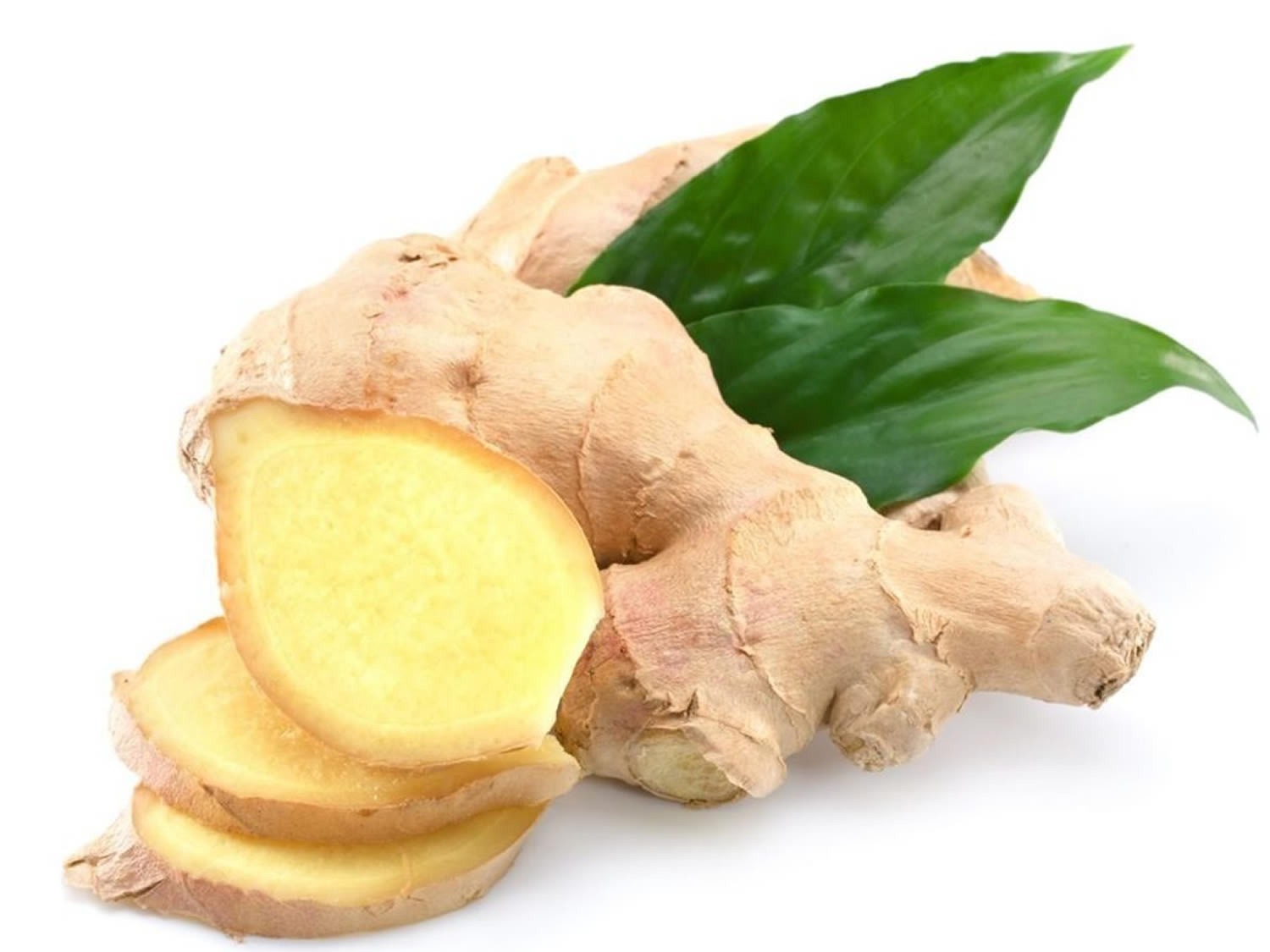
Ginger (Zingiber officinale) has long been recognized in traditional medicine for its antimicrobial, anti-inflammatory, and circulatory-stimulating properties. When applied to nail care, its bioactive compounds—particularly gingerol and shogaol—interact with nail tissues to promote strength, reduce fungal or bacterial growth, and enhance overall nail health. Scientific studies confirm that these compounds exhibit antifungal activity against Candida albicans and Trichophyton rubrum, common pathogens responsible for nail infections. Additionally, ginger’s vasodilatory effects improve blood circulation to the nail bed, accelerating healing and reducing brittleness. Below, the chemical mechanisms, practical applications, and comparative analysis of ginger-based nail treatments against commercial alternatives are explored.
Chemical Composition and Biological Effects of Ginger on Nails
The therapeutic potential of ginger in nail care stems from its phytochemical profile, which includes:
- Gingerol (6-gingerol and 8-gingerol): The primary pungent compound, responsible for ginger’s anti-inflammatory and antioxidant effects. It inhibits matrix metalloproteinases (MMPs), enzymes linked to nail degradation and weakening.
- Shogaol: A dehydration product of gingerol formed during drying or heating, with stronger antifungal properties and enhanced permeability through nail keratin layers, facilitating deeper absorption.
- Zingerone: A mild irritant that stimulates microcirculation, promoting nail bed nourishment and reducing discoloration.
Mechanisms of Action in Nail Health:
- Antifungal/Antibacterial: Shogaol disrupts fungal cell membranes, while gingerol’s hydroxyl groups bind to microbial proteins, inhibiting growth.
- Anti-Inflammatory: Gingerol suppresses prostaglandin E2 (PGE₂) production, reducing swelling and redness in infected or irritated nail beds.
- Collagen Stimulation: Ginger’s zinc and copper content supports keratinization, improving nail hardness and elasticity.
Clinical Evidence:
A 2018 study published in Journal of Ethnopharmacology demonstrated that ginger extract (75% ethanol) reduced Candida colony formation by 50% in vitro. Another study in BMC Complementary and Alternative Medicine (2020) found that topical ginger oil accelerated nail regrowth in participants with onychomycosis by 20% over 12 weeks compared to a placebo.
Step-by-Step Guide to a DIY Ginger Nail Mask
A homemade ginger nail mask leverages its antifungal, moisturizing, and strengthening properties while avoiding synthetic additives. The following recipe combines ginger’s bioactive compounds with honey (humectant), olive oil (emollient), and lemon juice (keratin softener) for optimal results.Ingredients and Proportions:
- 1 tbsp fresh ginger juice (or ½ tsp ground ginger powder for convenience)
- 1 tbsp raw honey (preferably manuka for added antibacterial effects)
- 1 tbsp extra-virgin olive oil (rich in squalene to reduce brittleness)
- 1 tsp lemon juice (vitamin C boosts collagen synthesis)
- 2 drops peppermint essential oil (optional, for circulation stimulation)
Preparation:
1. Extract ginger juice: Grate 1 inch of fresh ginger, press through a fine strainer, and discard the pulp. For ground ginger, mix with 1 tsp warm water to form a paste.
2. Combine ingredients: In a small bowl, blend ginger juice, honey, olive oil, and lemon juice until homogeneous. Add peppermint oil last.
3. Application:
- Clean nails: Trim, file, and buff nails to remove debris. Soak nails in warm water with Epsom salt (1 tbsp per cup) for 5 minutes to soften keratin.
- Apply mask: Use a brush to coat nails and cuticles, ensuring full coverage. Wrap fingers in plastic wrap and wear cotton gloves for 15–20 minutes.
- Rinse: Remove gloves, rinse with lukewarm water, and pat dry. Apply a thin layer of jojoba oil to seal moisture.
Expected Results:
- Immediate: Nails appear shinier and smoother due to olive oil’s occlusive properties.
- After 2–4 weeks: Reduced peeling, ridging, and yellowing; improved flexibility (less breakage).
- Long-term (8+ weeks): Noticeable thickening at the nail bed and faster regrowth in damaged areas.
Frequency: Use twice weekly for maintenance or daily for severely damaged nails. Avoid overuse, as excessive lemon juice may cause drying or irritation.
Comparison: Ginger-Based Nail Treatments vs. Commercial Ginger-Look Products
While ginger-inspired nail polishes (e.g., "ginger root" or "spicy orange" shades) mimic the aesthetic, they lack the therapeutic benefits of topical ginger applications. Below is a comparative analysis of DIY ginger treatments versus commercial products targeting nail health or color.
Key Considerations:Feature DIY Ginger Nail Mask/Oil Commercial Ginger-Themed Products Active Ingredients Gingerol, shogaol, honey, olive oil Synthetic dyes (FD&C Red 40), acrylates, camphor Primary Benefits Antifungal, anti-inflammatory, strength, circulation Temporary color, cosmetic enhancement only Durability Lasts 3–7 days (reapply as needed) 1–3 weeks (chips with wear) Staining Risk Minimal (natural pigments) High (artificial dyes may stain skin/nails) Skin Sensitivity Low (unless allergic to ginger or citrus) Moderate to high (fragrances, preservatives) Cost $1–$3 per session (natural ingredients) $10–$25 per bottle (limited refills) Scientific Backing Supported by studies on ginger’s antifungal/anti-inflammatory effects No clinical evidence for nail health benefits
- Commercial "ginger" polishes often contain formaldehyde or toluene (in cheaper brands) to mimic the spice’s warmth, posing long-term toxicity risks.
- Ginger-infused nail oils (e.g., ginger + vitamin E oil) are rare in retail but can be custom-blended for targeted treatment (e.g., adding tea tree oil for fungal resistance).
- DIY advantages: Customizable for specific conditions (e.g., adding turmeric for brightening or aloe vera for hydration).
Expert Consensus on Allergies and Safe Use of Ginger in Nail Care
"Ginger is generally safe for topical use, but individual sensitivity varies. Gingerol and shogaol can act as mild irritants, particularly in people with eczema or compromised skin barriers. A patch test (apply diluted ginger juice to the inner arm for 24 hours) is recommended before full application. Dermatologists advise against using ginger on open wounds or severely cracked cuticles, as its spiciness may exacerbate irritation.
For those with ginger allergies (rare but possible), symptoms include redness, itching, or swelling. Cross-reactivity with turmeric or citrus is possible. Pregnant individuals should consult a physician, as ginger’s blood-thinning effects (when ingested) may theoretically interact with topical treatments.
Safe Usage Guidelines:
- Dilution: Never apply undiluted ginger juice (risk of burns).
- Frequency: Limit to 2–3 times weekly to avoid over-sensitization.
- Discontinuation: If tingling, burning, or rash occurs, discontinue use and rinse with cool water.
Dermatologist Recommendations (Source: American Academy of Dermatology, 2021): - For fungal infections: Combine ginger with tea tree oil (1:1 ratio) for enhanced efficacy.
- For brittle nails: Pair with biotin-rich foods (eggs, nuts) to support keratin production.
- For staining: Use ginger in moderation—excessive lemon juice may cause nail yellowing over time.
- Complementary colors: Emerald green, mustard yellow, or slate blue (for contrast).
- Analogous colors: Rust orange, clay beige, or deep teal (for cohesion).
- Triadic colors: Olive green and burnt orange (for bold statements).
- Warm undertones: Opt for terracotta, copper, or ginger gold.
- Cool undertones: Choose burnt sienna, muted ochre, or espresso brown.
- Neutral undertones: Experiment with gradient effects blending warm and cool ginger hues.
- Spring/Summer: Opt for lighter ginger shades (e.g., peach-nail) with pastel or floral outfits.
- Autumn/Winter: Use deeper hues (e.g., burnt sienna) paired with rich fabrics like velvet or wool.
- Fine-tip nail brush (0.5–1mm)
- Dotting tool (for defining edges)
- Top coat (glossy or satin)
- Ginger nail polish in 2–3 shades (e.g., terracotta + copper)
- Alcohol wipes (for clean-up)
- Dip the dotting tool into the medium shade (e.g., ginger gold) and gently dot along the tape’s edge, blending upward with the fine brush.
- Repeat with the darkest shade (e.g., burnt sienna) at the tip, feathering the brush upward to soften transitions. 4. Clean-Up: Remove tape immediately after curing. Wipe excess polish with alcohol.
- Metallic or glitter nail polish (ginger gold, copper, or bronze)
- Fine brush or dotting tool
- Clear top coat (for sealing)
- Nail art tweezers (for precise glitter application)
- Use the fine brush to paint thin, horizontal stripes of metallic polish along the nail’s center or edges. Cure each stripe individually.
- For a ginger gold effect, layer 2–3 thin stripes of gold polish, spacing them evenly. 3. Glitter Accents:
- Apply a thin top coat over the metallic stripes, then sprinkle fine glitter (copper or gold) using tweezers. Tap off excess.
- For a gradated shimmer, apply glitter only to the nail’s tip, blending upward with a clear top coat. 4. Sealing: Apply a glossy top coat to lock in the metallic/glitter and extend wear.
- French Manicure Twist: Replace white with a ginger gold French tip, adding copper glitter to the free edge.
- Negative Space: Outline the nail with metallic polish, leaving the center ginger for a modern contrast.
- 3D Effect: Use acrylic paint (ginger shade) to create raised textures (e.g., stripes or dots) before applying glitter.
- Shape: Coffin or almond for elegance.
- Finish: Matte or satin burnt sienna with subtle metallic foil accents.
- Embellishments: Pearl or crystal micro-studs along the sides.
- Lip Harmony: Deep berry or plum lipstick.
- Shape: Square or oval for comfort.
- Finish: Glossy terracotta with hand-painted ginger gold stripes.
- Embellishments: Dabbed glitter or minimalist stamping.
- Lip Harmony: Coral or peach lipstick.
- Shape: Short almond or round for delicacy.
- Finish: Sheer champagne gradient over a ginger base (avoid heavy glitter).
- Embellishments: Edible gold leaf or delicate pearl dust.
- Lip Harmony: Nude pink with a golden highlighter.
- Shape: Squoval or short almond.
- Finish: Matte espresso brown with a single metallic stripe.
- Embellishments: None; opt for clean, polished lines.
- Lip Harmony: Mauve or taupe lipstick.
Ginger nails stand as a testament to beauty’s dynamic interplay between tradition and transformation, where every shade carries layers of meaning and every application reflects intentionality. From ancient rituals to modern nail artistry, their journey underscores how cultural heritage and scientific progress can converge in unexpected ways. Whether embraced for its symbolic depth, health-enhancing properties, or sheer versatility, ginger nails redefine elegance by blending history with contemporary flair. This exploration invites readers to view nail design not merely as aesthetics, but as a bridge between personal identity and global influences—a reminder that true style is rooted in both heritage and innovation.
Integrating Ginger-Infused Nail Oils into a Weekly Routine
A structured weekly nail care routine incorporating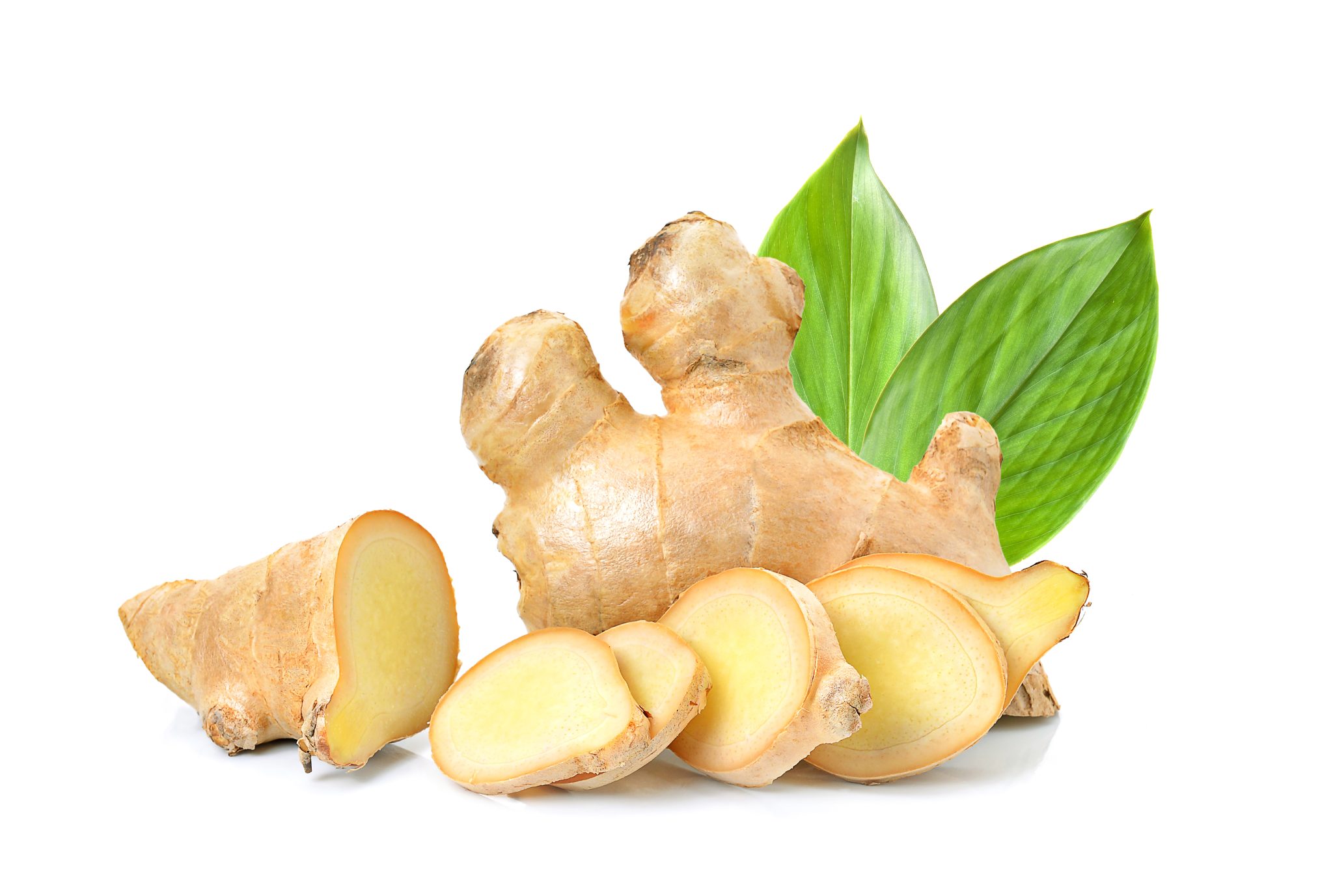
Fashion and Styling Techniques for Ginger Nails
Ginger-inspired nail art transcends mere color application, serving as a dynamic element in personal styling that harmonizes with seasonal trends, skin undertones, and fashion aesthetics. The versatility of ginger shades—ranging from warm terracotta to deep burnt sienna—allows for creative expression while ensuring visual cohesion with wardrobe choices. This section explores the color theory underpinning ginger nails, practical styling combinations, and advanced techniques to elevate nail designs for diverse occasions.Color Theory and Shade Pairings for Skin Tones
Ginger nails leverage the warmth of earthy and metallic tones, making them particularly effective for enhancing natural complexions. Warm terracotta (a reddish-brown with golden undertones) complements olive, golden, and deep skin tones, while cool burnt sienna (a muted, ashy brown) suits fair to medium skin with pink or neutral undertones. The color wheel principle dictates that ginger shades harmonize with:Key Considerations for Undertones:
Styling Combinations for Ginger Nails
The following table outlines curated nail shapes, ginger shade variations, complementary lip/blush tones, and outfit palettes to ensure cohesive styling. Each combination is designed for versatility across seasons and occasions.| Nail Shape | Ginger Shade Variation | Complementary Lipstick/Blush | Outfit Color Palette |
|---|---|---|---|
| Almond | Warm terracotta with a glossy finish | Coral lipstick, peach blush | Monochrome camel + gold accessories |
| Coffin | Cool burnt sienna with matte texture | Deep berry lipstick, mauve blush | Pastels (lavender, sage) with black accents |
| Square | Gradient from ginger gold to copper | Rose gold lipstick, bronze highlighter | Metallics (silver, rose gold) with neutral tones |
| Stiletto | Muted ochre with glitter accents | Nude pink lipstick, warm blush | Earthy neutrals (taupe, chocolate) with leather details |
Gradient and Ombré Techniques for Ginger Nails
Creating a seamless gradient or ombré effect with ginger nails enhances depth and sophistication. The process requires precision in layering and blending to avoid streaks or uneven transitions.Tools Required:
Step-by-Step Technique:
1. Base Application: Apply a thin layer of the lightest ginger shade (e.g., terracotta) to the entire nail, curing between layers.
2. Gradient Setup: Use painter’s tape to create a diagonal or horizontal gradient guide on the nail bed, leaving 1–2mm of the base color exposed at the cuticle.
3. Layering:
5. Finish: Apply a glossy top coat to enhance shine and longevity.
Pro Tip:
For an ombré effect, use a sponging technique: Dip a makeup sponge into the darkest shade, dab onto the nail’s tip, then blend upward with the lightest shade. Cure between layers for a marbled look.
Layering Metallic and Glitter Accents on Ginger Nails
Metallic and glitter accents elevate ginger nails by adding luminosity and texture. The "ginger gold" or "copper shimmer" looks rely on strategic placement and layering to avoid overwhelming the base color.Tools Required:
Step-by-Step Application:
1. Base Preparation: Apply a solid layer of ginger base color (e.g., terracotta) and cure.
2. Metallic Layering:
Design Variations:
Adapting Ginger Nails for Occasions
Ginger nails can be tailored to suit formal, casual, or bridal aesthetics by adjusting shape, finish, and embellishments.Formal Events:
Casual Wear:
Bridal Looks:
Proessional Settings:
Leave a Comment
Comments are moderated before appearing. The data you submit is processed according to the Privacy Policy of Staging Shopify Treasuretrails.