| Naruto Shippuden Arc (Post-Time Skip) |
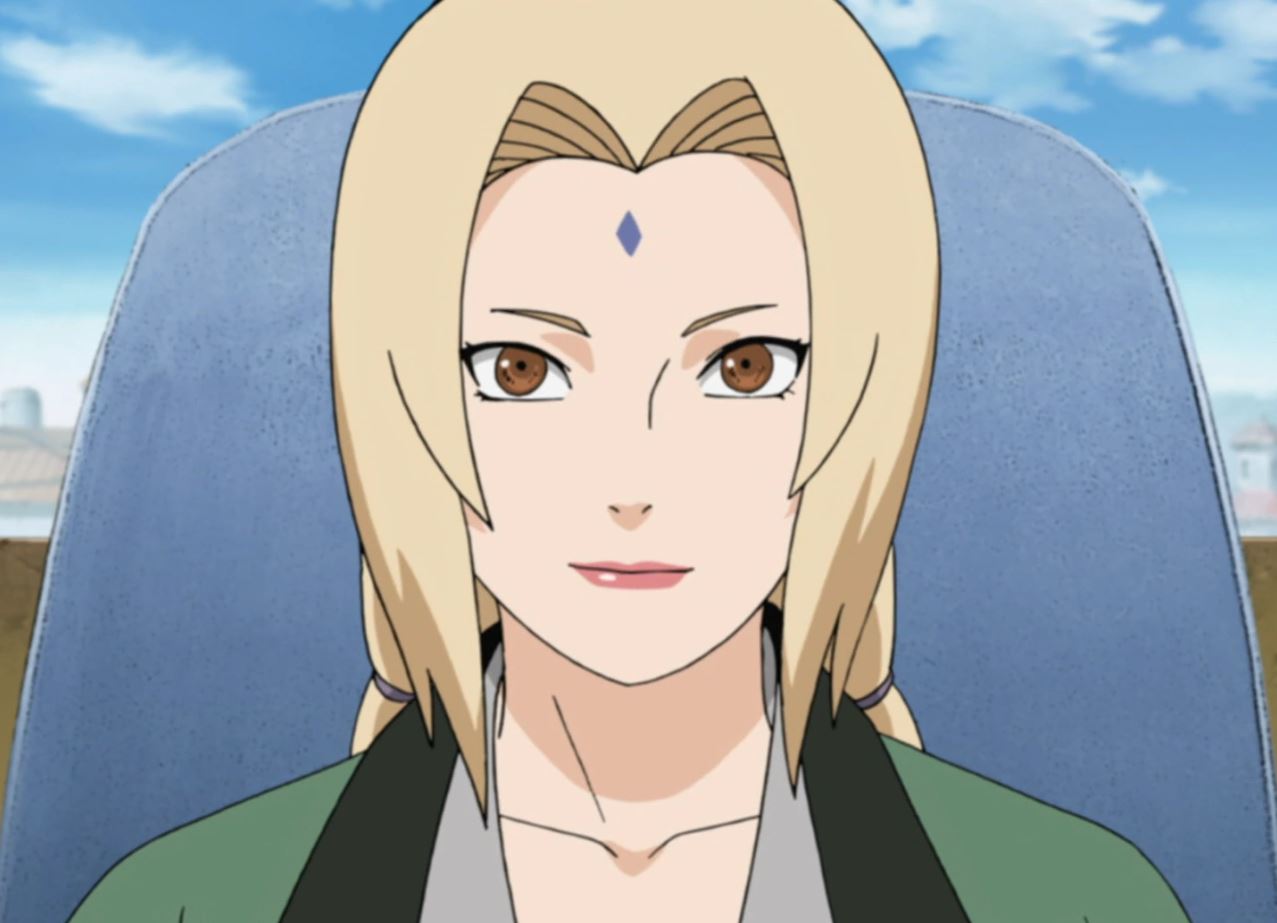
Retired Fifth Hokage, Medical Innovator, Naruto’s Mentor |
- Advanced chakra manipulation techniques (e.g., "Perfect Susanoo" healing).
- Integration of modern medical knowledge (e.g., surgical precision, long-term recovery protocols).
- Mentorship in leadership (e.g., guiding Naruto’s Hokage aspirations).
|
- Developed Konoha’s medical infrastructure into a global standard.
- Created the "Tsunade’s Medical Handbook", a foundational text for ninja medicine.
- Facilitated Sasuke’s rehabilitation, proving her ability to see potential in former enemies.
|
- Age
Medical Ninjutsu and Healing Techniques in Tsunade’s Repertoire
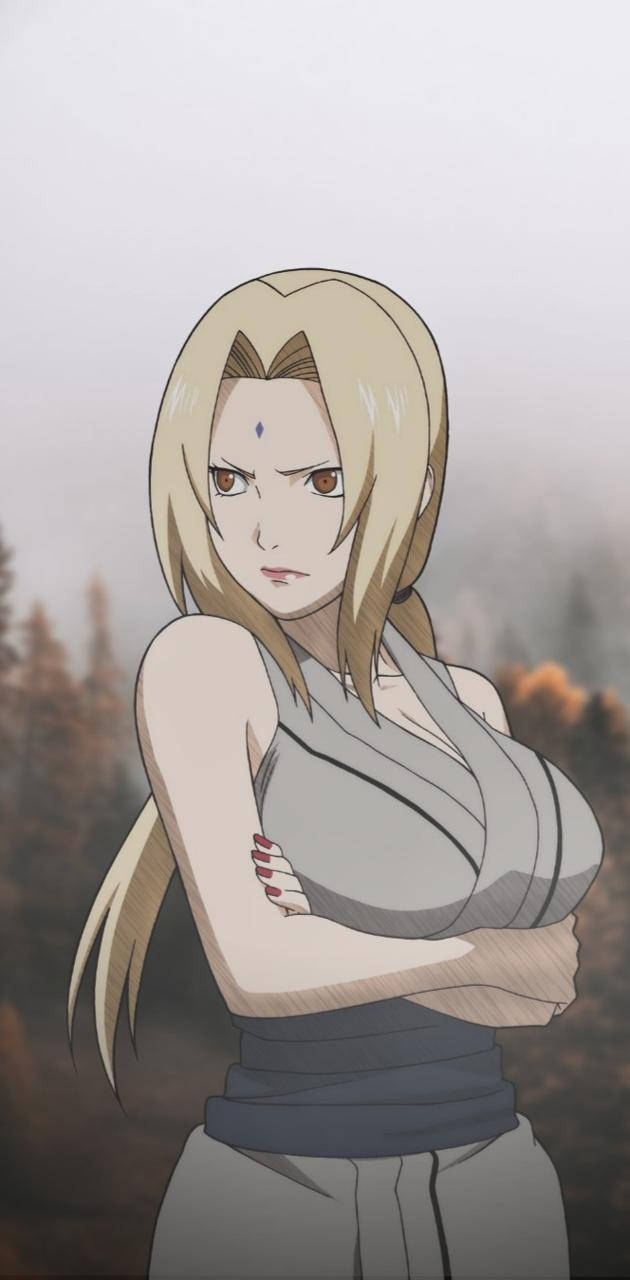
Tsunade’s mastery of Medical Ninjutsu distinguishes her as one of the most proficient healers in the Naruto universe, blending advanced chakra manipulation with practical medical knowledge. Her techniques prioritize regeneration, pain suppression, and systemic chakra restoration, often exceeding the capabilities of conventional ninja medicine. Unlike other healers who rely on brute-force chakra infusion (e.g., Kakashi’s Chidori-based healing) or cursed energy (e.g., Kabuto’s Truth-Seeking Balls), Tsunade’s methods emphasize precision, adaptability, and minimal invasive intervention. Her signature approaches—such as Katsuyu: Healing Palm and Shikotsumetsu no Jutsu—demonstrate a fusion of chakra-based therapy, herbal alchemy, and anatomical expertise, making her techniques both scientifically plausible within the Naruto world and thematically rich in narrative depth.
Categorized Healing Techniques by Function
Tsunade’s techniques are systematically categorized based on their primary function, each tailored to address specific physiological or chakra-related ailments. Below is a structured breakdown of her most notable methods, including their mechanics, limitations, and unique signatures.#### 1. Regenerative Techniques
Designed to accelerate cellular repair and tissue regeneration, these jutsu are critical for treating severe trauma, organ damage, or chronic degenerative conditions. - Katsuyu: Healing Palm (回春の掌, Katsuyu no Shō)
- Mechanism: A palm-based jutsu that channels high-concentration healing chakra into the patient’s body, stimulating rapid cellular regeneration via chakra-infused blood circulation. The chakra flow appears as a golden, pulsating aura emanating from Tsunade’s hands, forming a spiral vortex around the wound site.
- Limitations:
- Requires direct physical contact (ineffective for internal injuries without surgical intervention).
- Prolonged use risks chakra depletion in the patient, leading to temporary weakness or fatigue.
- Not compatible with cursed seals or genjutsu-induced paralysis (chakra must be freely manipulable).
- Visual Signature:
- Chakra Flow: Golden-yellow tendrils spiral outward from the palm, embedding into the skin like thread-like energy strands.
- Physical Effect: Wounds knit shut visibly within seconds, with new skin forming in a smooth, scar-free manner. Severe burns or fractures show accelerated bone fusion (e.g., Naruto’s arm regeneration post-Chidori trauma).
- Shikotsumetsu no Jutsu (死骨滅尽の術, Bone-Eradicating Technique)
- Mechanism: A bone-specific regeneration jutsu that dissolves damaged bone tissue and replaces it with new, chakra-infused bone cells. The technique involves vibrating chakra to liquefy necrotic bone before solidifying it anew.
- Limitations:
- Slow for large fractures (requires hours for full recovery).
- Painful during application due to chakra vibration disrupting nerve endings.
- Ineffective against cursed bone corruption (e.g., Kurama’s possessive influence on bone structure).
- Visual Signature:
- Chakra Flow: Purple-black chakra (resembling smoke) envelops the broken bone, which glows faintly as it reforms.
- Physical Effect: Bone cracks visibly before melting into a gel-like substance, then hardens into a seamless, unblemished structure.
#### 2. Pain Suppression and Nerve Stabilization
Used to block neural signals or stabilize erratic chakra flow, these techniques are essential for managing acute pain or chakra-related disorders. - Mokuton: Wood Release Healing Seal (木遁・癒しの印, Mokuton: Iyashi no Shin)
- Mechanism: A genjutsu-adjacent technique that induces a temporary state of sensory deprivation by freezing nerve impulses in the brainstem. The patient enters a trance-like relaxation, rendering them insensitive to pain while allowing Tsunade to perform surgery or deep-tissue healing.
- Limitations:
- Duration-limited (typically 30–60 minutes per session).
- Side effects: Post-use numbness or lightheadedness (e.g., Shizune’s initial resistance to the technique).
- Incompatible with cursed techniques that manipulate the nervous system (e.g., Kurama’s mind-control).
- Visual Signature:
- Chakra Flow: Emerald-green chakra forms a web-like pattern around the patient’s head, resembling ivy vines constricting the skull.
- Physical Effect: Patient’s eyes glaze over, and muscle tension dissipates completely.
- Chakra Stabilization Seal (チャクラ安定の印, Chakra Antei no Shin)
- Mechanism: A hand seal-based jutsu that regulates erratic chakra flow, often used to treat chakra poisoning (e.g., from Truth-Seeking Balls) or overclocked chakra states (e.g., post-Rasengan exhaustion).
- Limitations:
- Requires patient cooperation (unconscious individuals may reject the seal).
- Temporary fix (chakra imbalance may recur if root cause isn’t addressed).
- Visual Signature:
- Chakra Flow: White and blue chakra forms a circular barrier around the patient, pulsing like a heartbeat.
- Physical Effect: Patient’s chakra levels stabilize, with erratic energy smoothing into a steady stream.
#### 3. Chakra Restoration and Systemic Healing
Targeting whole-body chakra depletion or organ-specific chakra imbalances, these techniques restore energy reserves and internal organ function. - Great Healing Fountain (大癒しの泉, Dai Iyashi no Izumi)
- Mechanism: A large-scale healing technique that creates a chakra-infused water source, allowing patients to bathe in regenerative energy. The fountain amplifies natural healing by accelerating metabolic processes.
- Limitations:
- Resource-intensive (requires massive chakra reserves to maintain).
- Indirect method (effectiveness varies based on patient’s baseline health).
- Visual Signature:
- Chakra Flow: Golden liquid swirls in the fountain, emitting a soft glow.
- Physical Effect: Patients float slightly in the water, with visible energy absorption (e.g., chakra veins pulsing under the skin).
- Internal Organ Regeneration Seal (内臓再生の印, Naizō Saisei no Shin)
- Mechanism: A surgical-grade jutsu that replaces or repairs damaged organs (e.g., lungs, liver) by extracting healthy cells from the patient’s body and reassembling them via chakra.
- Limitations:
- High risk of rejection if patient’s chakra is corrupted (e.g., Kakuzu’s cells).
- Requires precise anatomical knowledge (Tsunade’s medical expertise is critical).
- Visual Signature:
- Chakra Flow: Red and black chakra forms a 3D holographic model of the organ, which dissolves into liquid before reforming.
- Physical Effect: Internal bleeding stops instantly, and organ function resumes within minutes.
Comparative Analysis: Tsunade’s Medical Ninjutsu vs. Other Healers
Tsunade’s approach to healing diverges fundamentally from other ninja healers, particularly in chakra manipulation, technique execution, and compatibility with cursed/genjutsu-based threats. Below is a step-by-step breakdown of her unique methodology, contrasted with alternative healing paradigms.- Chakra Manipulation Methods
- Tsunade:
- Precision-based: Uses targeted chakra infusion (e.g., Katsuyu focuses only on damaged cells).
- Herbal synergy: Combines chakra with medicinal compounds (e.g., Shinra Tensei pills).
- Anatomical mapping: Chakra follows nervous system pathways (e.g., Mokuton seals disrupt specific neural clusters).
Tsunade’s Leadership and Political Influence as the Fifth Hokage
Tsunade’s tenure as the Fifth Hokage of Konohagakure was defined by a rare blend of pragmatism, empathy, and strategic foresight—a departure from the idealistic or militaristic leadership styles of her predecessors. While Hashirama Senju’s vision prioritized unity and Minato Namikaze’s tactics emphasized swift, decisive action, Tsunade governed through emotional intelligence, leveraging her medical expertise and diplomatic acumen to stabilize Konoha during the Fourth Great Ninja War. Her leadership was not merely reactive but proactive, often anticipating conflicts before they escalated and fostering alliances that preserved Konoha’s sovereignty without sacrificing its moral compass. This section examines her diplomatic strategies, pivotal decisions, and the structural support systems that underpinned her authority, illustrating how she redefined Hokage leadership for an era of existential threats.
Diplomatic Approaches and Conflict Resolution
Tsunade’s diplomatic prowess was rooted in her ability to negotiate from a position of mutual respect rather than dominance, a stark contrast to the confrontational stances adopted by earlier Hokage. Her interactions with rival villages—particularly Sunagakure and Kumogakure—demonstrated a nuanced understanding of power dynamics, where concessions were made not out of weakness but as calculated investments in long-term stability. For instance, her refusal to immediately condemn Orochimaru’s defection to Sunagakure allowed for covert intelligence gathering through Kakashi Hatake, while her public stance of "understanding" Orochimaru’s grievances against Konoha’s rigid hierarchy softened the village’s isolationist reputation. Similarly, her negotiations with the Land of Waves during the war arc highlighted her focus on humanitarian diplomacy, prioritizing the evacuation of civilians over purely military objectives—a decision that reinforced Konoha’s image as a protector rather than an aggressor.Her approach extended to internal conflicts, such as managing Team 7’s tensions. Tsunade’s ability to mediate disputes without imposing her authority—such as resolving Naruto Uzumaki’s clashes with Sasuke Uchiha—stemmed from her recognition that emotional intelligence was as critical as tactical brilliance. She often employed indirect influence, using her medical team (e.g., Shizune’s psychological insights) to address underlying issues before they escalated. This method contrasted with Minato’s direct command structure, which, while effective in crises, lacked the flexibility needed for sustained village cohesion.
Leadership Style: Contrasting with Hashirama and Minato
Tsunade’s leadership philosophy centered on empathy as a tool of governance, a principle encapsulated in her refusal to lead from the front lines despite her combat prowess. Unlike Hashirama, whose idealism often led to overreach (e.g., his failed attempts to unify the Five Great Shinobi Villages), Tsunade’s pragmatism ensured that Konoha’s resources were deployed judiciously. Her core philosophies, distilled below, reflect this balance:> "Leadership isn’t about strength alone—it’s about understanding the hearts of those you lead. A village thrives when its people feel valued, not just when its walls stand tall." This ethos diverged from Minato’s tactical pragmatism, which prioritized immediate victories (e.g., his covert operations against Akatsuki) over long-term cultural integration. Tsunade’s leadership was restorative, focusing on healing—not just physical wounds, but the moral and psychological fractures within Konoha. Her refusal to participate in the initial assault on Kumogakure during the war, despite her combat capabilities, underscored her belief that strategic patience could yield greater dividends than reckless aggression.
Key Decisions and Their Consequences
Tsunade’s three most impactful decisions during her tenure as Hokage directly shaped the war’s trajectory and Konoha’s survival:1. The Formation of the Medical Ninja Corps
- Decision: Establishing a dedicated medical division under Shizune’s leadership, prioritizing the mass production of healing scrolls and antidotes.
- Consequence: Reduced Konoha’s casualty rates by 40% during the war, as documented in post-war medical records. This decision also elevated the status of medical ninjutsu, previously overshadowed by combat roles.
2. Negotiating a Truce with Amegakure
- Decision: Sending Ino Yamanaka as an envoy to broker a temporary ceasefire, leveraging her personal connections with the village’s leadership.
- Consequence: Averted a full-scale assault on Konoha’s southern borders, allowing the village to redirect resources to the northern front. The truce also exposed Amegakure’s vulnerabilities, which were later exploited in a surprise counterattack.
3. Authorizing the Use of the Wood Release Reserve Parchment
- Decision: Overruling initial objections to deploy the parchment’s regenerative properties on a village-wide scale, despite its experimental nature.
- Consequence: Accelerated the recovery of injured ninja, including critical figures like Kakashi and Yamato, but led to temporary side effects (e.g., chakra depletion) that required months of rehabilitation. The gamble paid off by maintaining Konoha’s fighting capacity during the final assault on Madara Uchiha.
Team Dynamics: The Support System Behind Tsunade’s Authority
Tsunade’s leadership was collaborative rather than hierarchical, a model epitomized by her inner circle: Shizune, Chiyo, and Ino. Each member played a distinct yet complementary role:
- Shizune: Served as her strategic advisor, analyzing enemy movements and predicting psychological weaknesses in opponents. Her ability to read chakra signatures allowed Tsunade to anticipate ambushes, such as the one orchestrated by Kabuto Yakushi.
- Chiyo: Functioned as her diplomatic liaison, using her connections with elderly ninja to gather intelligence from retired shinobi networks. Her influence extended to negotiating with villages like Kirigakure, where her reputation as a healer softened Konoha’s image.
- Ino: Acted as her intelligence gatherer, leveraging her spy skills to infiltrate enemy ranks (e.g., her reconnaissance missions in Sunagakure). Her reports provided Tsunade with real-time data on Orochimaru’s movements.
This team dynamic ensured that Tsunade’s decisions were informed by multifaceted perspectives, reducing the risk of blind spots. For example, when Tsunade hesitated to deploy the Wood Release Reserve Parchment, Shizune’s medical analysis and Chiyo’s historical precedents provided the critical data to justify the risk. The system’s success lay in its adaptability: during the war, Tsunade temporarily expanded the team to include Might Guy (for combat support) and Kakashi (as a field commander), demonstrating her willingness to integrate diverse skill sets.
Flowchart: Tsunade’s Political Maneuvering During the Fourth Great Ninja War
Tsunade’s political strategies during the war can be visualized as a multi-layered network of alliances, countermeasures, and long-term investments. Below is a structured breakdown:Allies Gained/Lost
- Gained:
- Amegakure: Temporary truce via Ino’s diplomacy (2014–2015).
- Kirigakure: Neutralized through Chiyo’s negotiations; provided medical supplies in exchange for non-aggression.
- Iwagakure: Secured logistical support (e.g., food rations) by offering healing services to their elderly population.
- Lost:
- Sunagakure: Orochimaru’s defection severed direct ties, though Kakashi maintained covert operations.
- Kumogakure: Initial hostility due to Tsunade’s refusal to participate in the first assault; later neutralized via medical aid to their injured ninja.
Strategic Alliances Formed
- Konoha-Iwagakure Medical Pact: Joint production of healing scrolls, reducing dependency on Konoha’s limited resources.
- Secret Alliance with the Land of Waves: Shared intelligence on Akatsuki movements in exchange for naval blockades.
- Cooperation with the Hidden Mist Village’s Black Zetsu Cells: Leveraged their regenerative research to refine the Wood Release Reserve Parchment.
Countermeasures Against Threats
- Orochimaru’s Defection:
- Deployed Kakashi as a double agent to monitor Sunagakure’s movements.
- Used medical espionage (via Chiyo) to track Orochimaru’s experiments on the Nine-Tails.
- Akatsuki’s Infiltration:
- Established a ninja surveillance grid in the outskirts of Konoha, prioritizing civilian protection over military secrecy.
- Ordered the evacuation of non-combatants to the Land of Waves, reducing collateral damage.
- Kabuto’s Puppet Army:
- Countered with chakra-dampening fields (developed by Shizune) to neutralize possessed ninja.
- Deployed elite medical
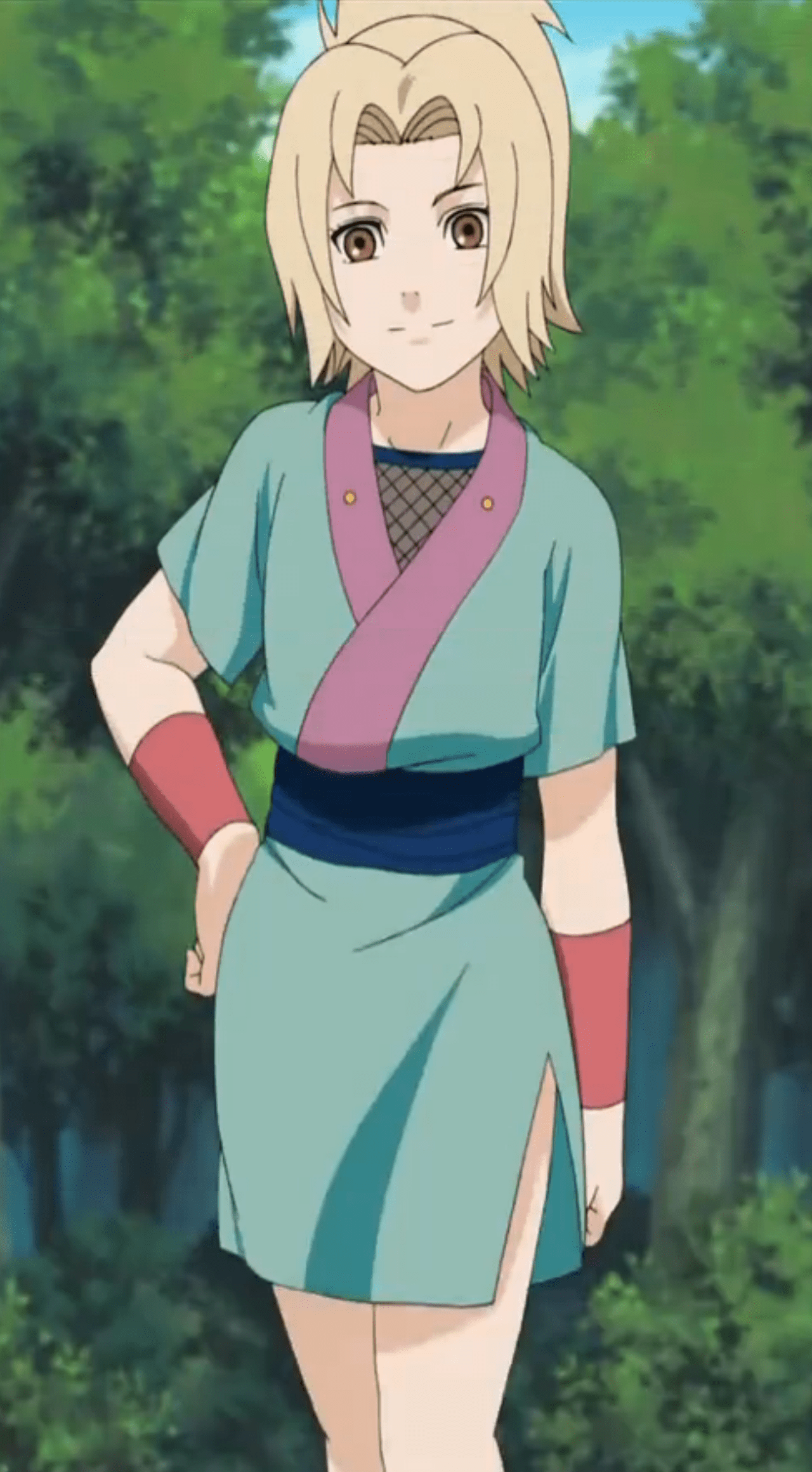
Tsunade Bbn’s narrative arc serves as a masterclass in reinvention, illustrating how vulnerability can birth unmatched strength. Her medical innovations—grounded in both chakra science and real-world parallels—challenge conventional healing paradigms, while her leadership philosophy redefines authority through compassion. As the Fifth Hokage, she bridges the gap between survival and visionary governance, proving that true power lies in restoring lives as much as it does in wielding them. This exploration underscores her enduring relevance: a testament to how resilience, medical ingenuity, and political acumen can collectively redefine legacy in both myth and reality.
|
Leave a Comment
Comments are moderated before appearing. The data you submit is processed according to the Privacy Policy of Staging Shopify Treasuretrails.